August 12, 2026
"Saddle Hunting is stupid."
That was my honest, knee-jerk take.
Saddle hunting looked like one more “new trend” designed to separate hunters from their money—and I wanted no part of it. I was set in my old ways. I rolled my eyes every time someone brought it up. I wanted to hate it, almost out of principle.
And then I tried it.
Not as a casual “let’s see what the fuss is about” experiment, either—more like a reluctant commitment, the kind where you’re half-hoping it fails so you can say, told you so. But what I found in the tree wasn’t gimmicky or complicated. It was oddly relaxing. Quick. Efficient. And if I’m being completely honest, it made me a better hunter before I ever made a better shot.
The Gift and the Curse of Freedom
Learning a new style of hunting has a way of shaking loose old habits—sometimes frustratingly so, but often in the best possible way. Saddle hunting did that to me fast. While I haven’t punched a tag from the saddle yet, the process itself has been invigorating. It’s forced me to rethink how I move through the woods, how I read sign, how I select trees, and how I commit to a setup instead of second-guessing it.
In the southeast Louisiana corner where I hunt late season, saddle hunting is both a gift and a curse. The gift is freedom: I can hunt almost any tree I want. The curse is accountability: when every tree is an option, you have to narrow down your choices and truly sharpen your woodsmanship to understand deer movement.
That’s where saddle hunting surprised me most. It didn’t just give me mobility—it demanded intention. And that’s a good thing.
Comfort Changed My Mind
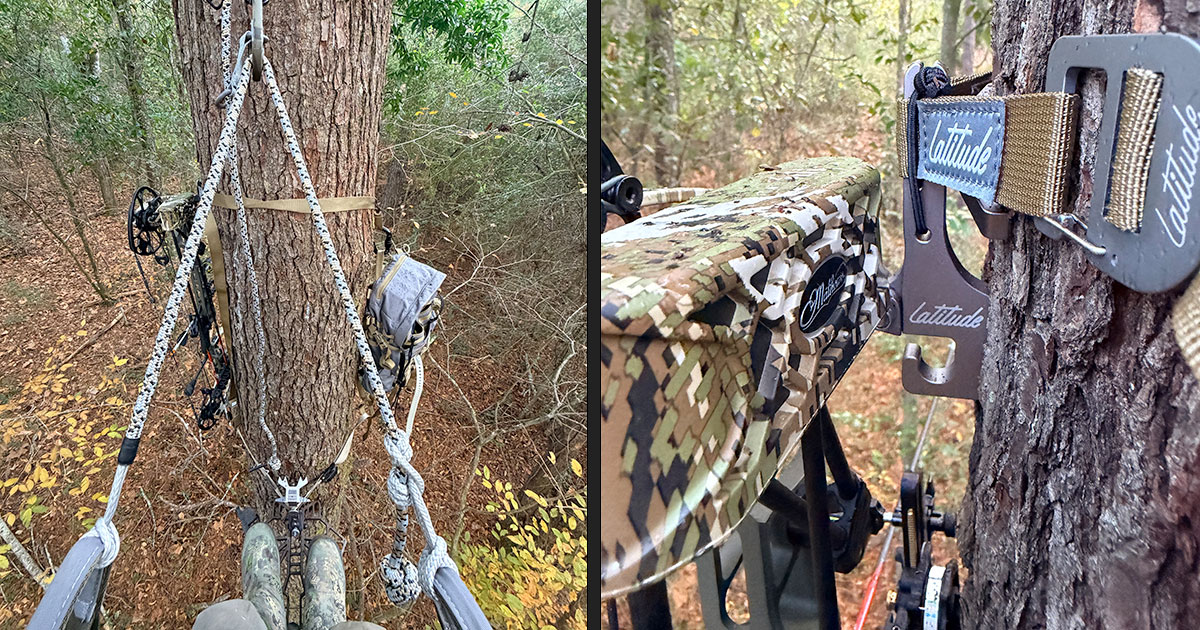
At the center of my setup is the Latitude Method III saddle. Calling it a “saddle” almost undersells what it is—it’s a system designed for long sits and real-world comfort. Like most people, my biggest concern was simple: Can I stay comfortable for hours? Late season sits can be long, cold, and mentally draining even when you’re in a conventional stand. I assumed saddle hunting would magnify every annoyance.
Instead, it smoothed things out.
The Method III distributes weight extremely well and avoids the pressure points that turn a hunt into a slow negotiation with discomfort. The adjustability matters more than I expected—it lets you dial the fit to your body rather than forcing you to adapt to the gear.
And here’s the part I didn’t anticipate: once I was settled in, it felt… calm. Not fidgety. Not claustrophobic. Calm. The saddle let me make small position changes—lean, sit, pivot—without the big noisy movements you make in a stand when you’re trying to “get right” again. That little bit of freedom kept me more engaged, more patient, and more observant.
I went in wanting to hate it. I came out realizing it was easier to stay mentally in the hunt.
Quick and Efficient in the Real Woods
Saddle hunting also made me more efficient—especially on those damp, thick, southeast Louisiana hunts where everything wants to snag, squeak, or soak through. Being able to move quietly, set up quickly, and stop fumbling with gear isn’t just convenient. It directly impacts success.
A big part of that has been hunting off the Latitude Profile Saddle Platform. That platform gave me a stable, confidence-inspiring base and helped turn the whole system into something that felt natural instead of experimental. Once I had it figured out, setup became smoother and faster—less “work,” more hunt.
Carrying Smarter, Not Less
Mobility is the heartbeat of saddle hunting, and that’s where the Ranger 22 pack became indispensable. Saddle hunting isn’t about carrying less—it’s about carrying smarter. You still need ropes, layers, calls, water, and all the small items that add up over a hunt. The Ranger 22 hits a sweet spot: enough capacity without becoming a bulky snag magnet.
It’s streamlined, rides well, and complements the saddle system rather than fighting it. When your gear works together, you spend less time managing equipment and more time paying attention to what matters—wind, movement, sound, and timing.
The “Hope I Never Need It” Piece That I’m Glad I Have
One piece I didn’t expect to appreciate as much as I do is the Latitude Kong Duck. On paper, it’s an emergency rope clamp. In practice, it’s peace of mind.
Saddle hunting introduces new systems and redundancies, and having a reliable, easy-to-use rope clamp matters. The Kong Duck is durable, intuitive, and confidence-inspiring. It’s one of those items you hope you never truly need—but you’re glad it’s there every time you clip it on. It helped quiet the “what if” thoughts so I could stay focused on the hunt.
Knee Pads: Unsexy, Non-Negotiable
Comfort at the tree isn’t just about the saddle—it’s about contact points. That lesson hit me square in the knees.
I tried hunting without knee pads, relying on the Sitka Timberline pants I already owned. Great pants, but they simply didn’t provide the support needed for all-day saddle sits. The difference with the Latitude Knee Pads was immediate and undeniable. They are, without question, the most comfortable knee pads I’ve used. They support, stay put, and eliminate the creeping discomfort that builds over hours of leaning and bracing.
Knee pads might not be glamorous, but in saddle hunting they’re mission-critical. Without them, you’re bargaining with discomfort. With them, you’re hunting.
Climbing Sticks That Don’t Feel Like a Ladder Section
Getting into the tree is another place modern gear shines. The Carbon SS climbing sticks have been a standout. I came from older sticks that were basically ladder segments made from square tubing. The difference is night and day.
The Carbon SS sticks are light, compact, and a pleasure to pack in. Weight matters when you’re mobile, and these sticks make moving deeper or adjusting setups far less taxing. They also inspire confidence underfoot, which matters when you’re climbing in low light or less-than-perfect conditions.
And noise matters, too—especially late season when deer are already on edge. The lighter weight and smarter design help keep things quieter and smoother when it counts.
Yes, It’s Expensive Up Front—But Don’t Let That Stop You
Let’s address the obvious: getting set up for saddle hunting isn’t cheap. Between the saddle, platform, ropes, climbing sticks, and the accessories that make it safe and comfortable, the initial buy-in can sting.
But here’s the truth I had to admit to myself: if something legitimately improves your efficiency, your mobility, and your ability to get into the right tree at the right time—then it enhances your odds of taking more game.
That kind of advantage is hard to put a price on.
I didn’t fall in love with saddle hunting because it’s trendy. I came around because it’s effective. It made me more intentional. More adaptable. And strangely, more relaxed in the tree—which is not what I expected from something I was determined to dislike.
The Best Part So Far
Saddle hunting hasn’t delivered instant success for me yet, but it has delivered something arguably more valuable: growth.
It challenged my assumptions, sharpened my woodsmanship, and made me more deliberate with every decision in the woods. The Latitude Method III, Profile Saddle Platform, Ranger 22, Kong Duck, Knee Pads, and Carbon SS climbing sticks have all played a role in that evolution. Together, they form a system built around mobility, comfort, and confidence—three things that matter when you’re learning a new way to hunt.
Success will come.
In the meantime, I’m still laughing at my original take… because I wanted to hate saddle hunting so badly. Turns out, it’s not stupid.
It’s just different. And different might be exactly what some of us need.
— KJ
About the Author
Kevin Jarnagin (KJ) hails from Oklahoma but quickly established Louisiana roots after joining the Gun Talk team. A lifelong big game hunter with a habit of diving headfirst into new ventures, KJ’s path has included working with one of the top PR agencies in the outdoor industry—Blue Heron Communications—and teaching at the University of Oklahoma’s business school before fully committing to the outdoors.
Sporting his flat-brimmed cap, KJ travels the country chasing wild game and better stories—whether that means heading to British Columbia for elk, learning a new hunting system in Louisiana, or getting reps in with a pistol on the range. He’s a connector by nature and a communicator by trade, driven by the same thing that’s hooked him since childhood: the next adventure.

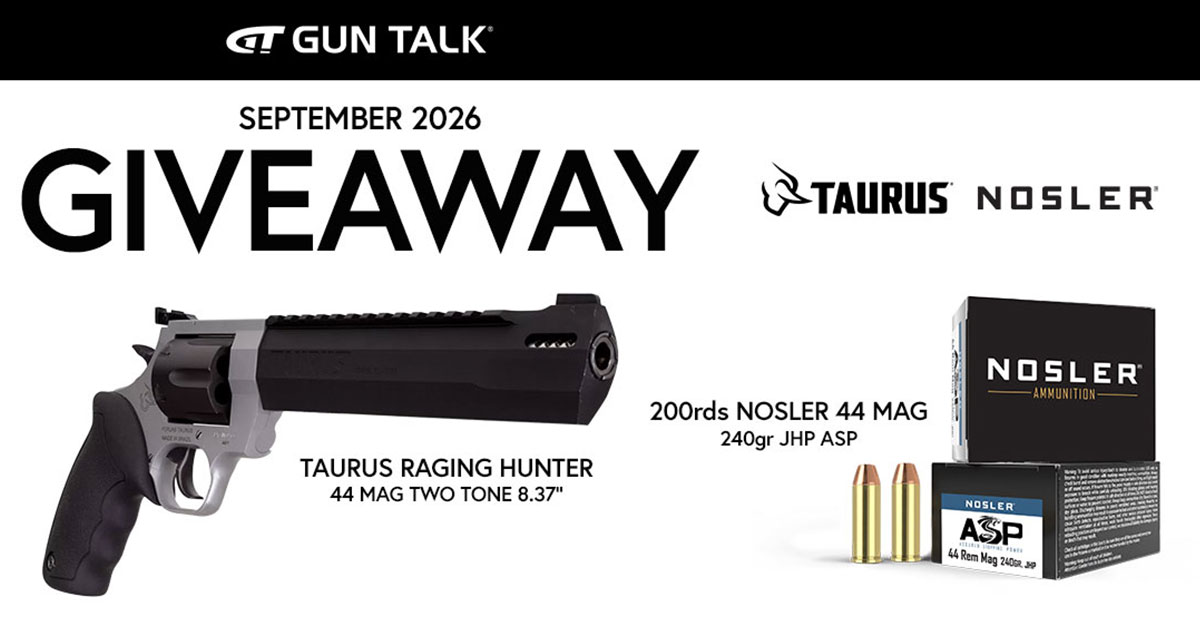
Gun Talk Giveaway
One lucky winner will bring home:
Open to U.S. residents 21+ only. Void where prohibited.