May 11, 2026
The definitive reference for shooters, trainers, and buyers — covering nearly every major pistol optic, mounting footprint, and compatibility matrix on the market.
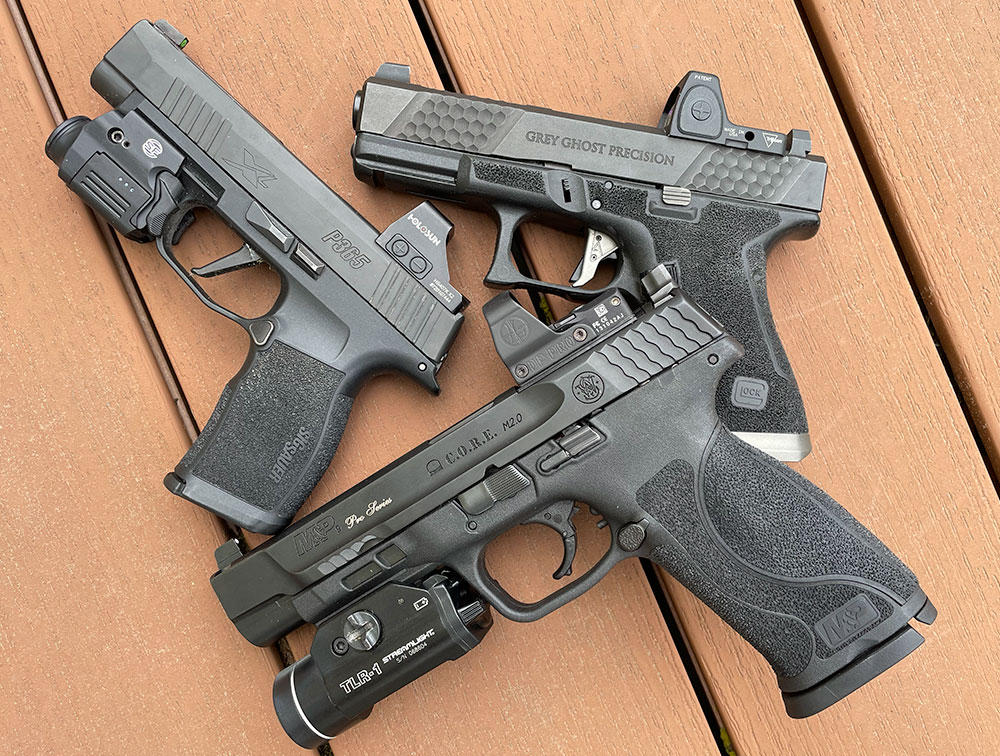
A few years ago, mounting a red dot to a pistol was a niche move reserved for competition shooters running 2011-platform race guns. That era is over. Today, nearly every major pistol manufacturer ships optics-ready (OR) variants across their full lineup, law enforcement agencies have transitioned or are actively transitioning to optic-equipped handguns, and most serious defensive shooters consider a quality pistol optic an essential upgrade — not an accessory.
The reasons are straightforward. Pistol red dots improve target acquisition speed, perform significantly better in low light than iron sights, extend effective accuracy at distance, and reduce the cognitive load on the shooter during a high-stress encounter. The learning curve is real — most new users need 500 to 1,000 rounds to become fully comfortable — but nearly every shooter who commits to the transition reports they never go back.
The problem is the market. There are dozens of optic manufacturers, hundreds of individual optic models, and a confusing patchwork of mounting standards (called "footprints") that determine what optic fits on what gun. Get the footprint wrong and a $400 optic won't bolt to anything you own. This guide exists to solve that problem completely.
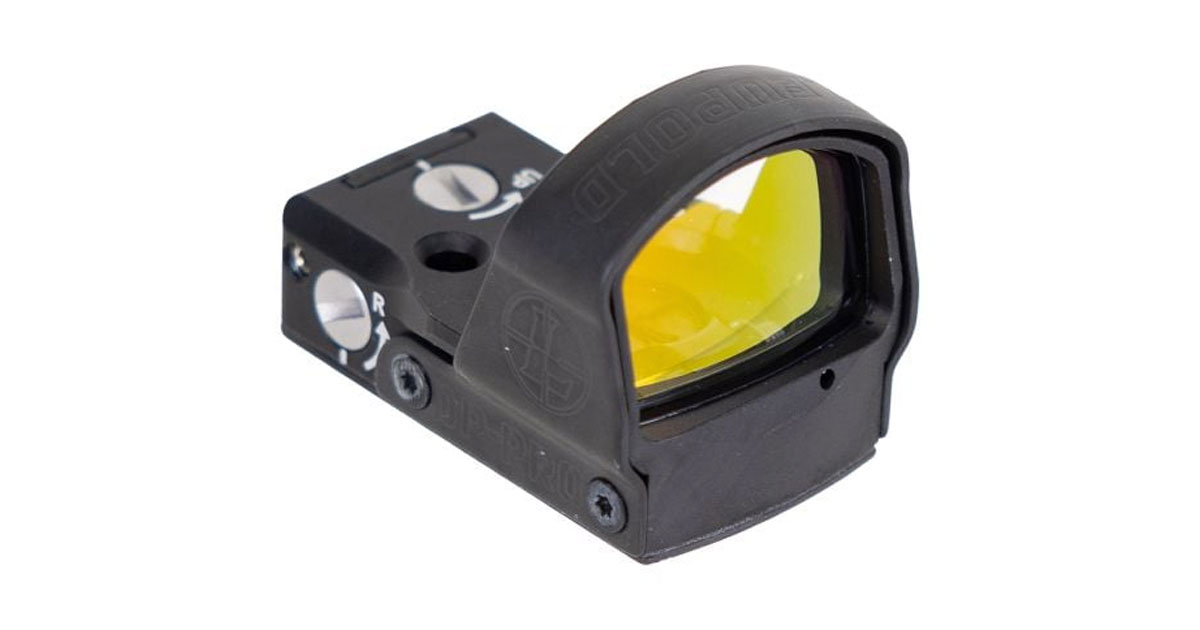
An LED emitter projects a dot onto a lens angled toward the shooter. The dot appears to float on the target. Open reflex sights are lightweight, low-profile, and have large windows relative to their size. The trade-off: the emitter and lens are exposed to the elements — dirt, lint, rain, and pocket debris can potentially obstruct the emitter.
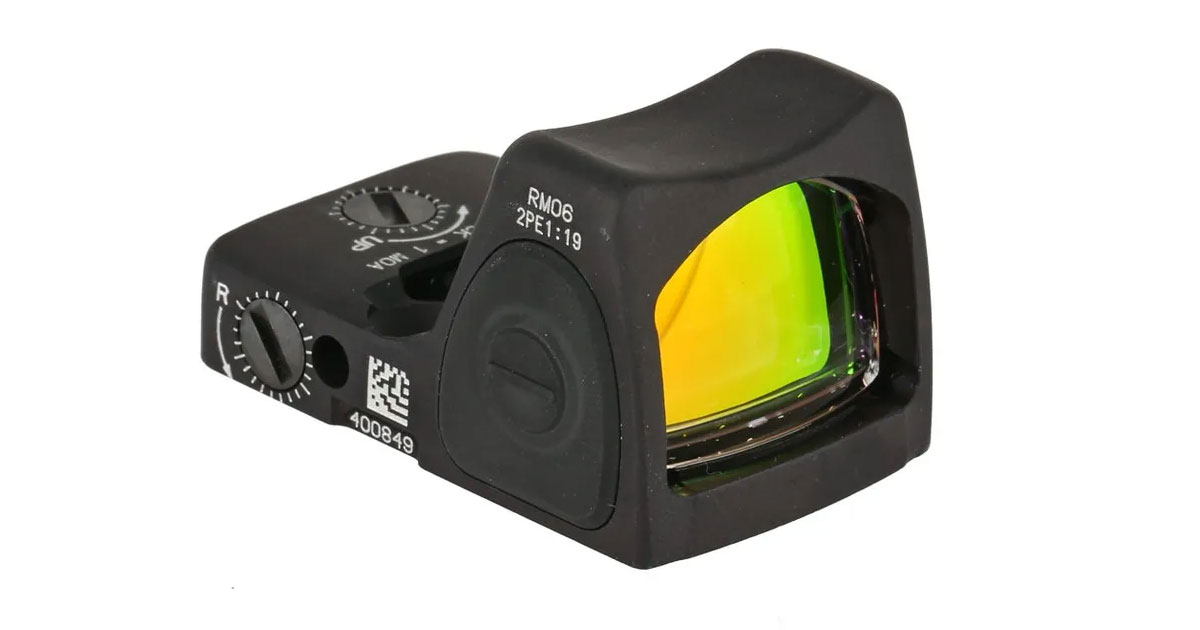
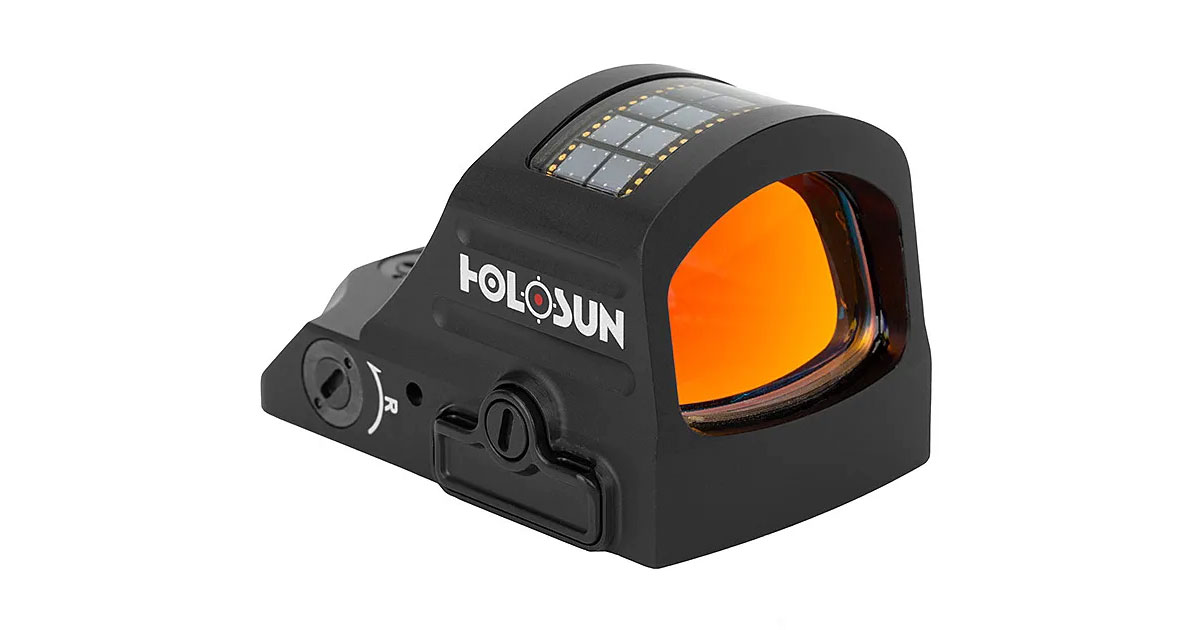
Examples: Trijicon RMR, Holosun 507C, Leupold DeltaPoint Pro, Vortex Venom
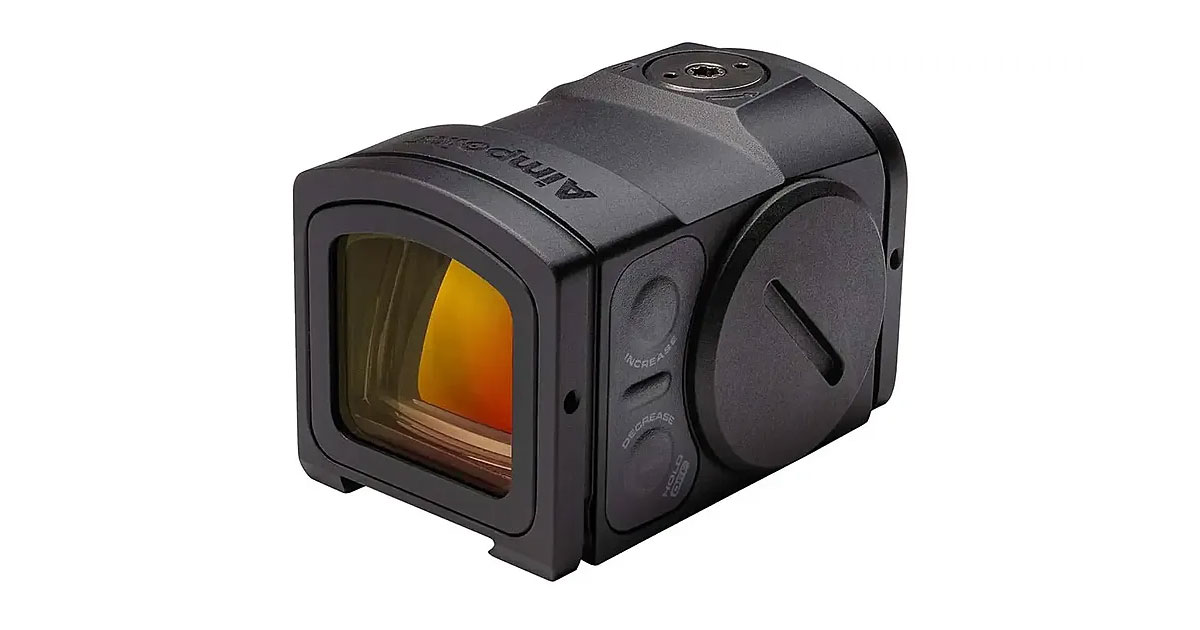
Enclosed sights protect the emitter and lens inside a sealed tube or housing. Significantly more resistant to debris, dust, and moisture. Modern enclosed emitter designs have become slim enough for everyday carry use.
Examples: Aimpoint ACRO P-2, Holosun 509T, Holosun EPS, Vortex Defender-ST, Vortex Defender-CCW
True holographic sights use laser transmission holography to project a reticle onto a viewing window, rather than reflecting an LED emitter off a curved lens like a traditional reflex sight. Historically, holographic sights have been almost entirely rifle-oriented due to their size, weight, and power requirements, with EOTECH dominating the category for decades.
That changed with the introduction of the FN PUREVIEW — the industry’s first true holographic micro red dot designed specifically for pistols. Developed by FN America using proprietary ImageGuide® technology, the PUREVIEW projects a holographic 3 MOA dot onto a single flat pane of glass rather than a curved reflective lens. The result is a clearer, less distorted sight picture with true parallax-free aiming and improved light transmission.
Unlike most pistol red dots, the PUREVIEW’s holographic reticle remains visible even if the front glass is cracked or damaged — one of the defining advantages of holographic technology. The optic also features a fully enclosed design, automatic brightness adjustment, motion-sensing activation, and a compact footprint intended for duty and defensive pistol use.
While the FN PUREVIEW may represent the beginning of a true pistol holographic category, nearly all other pistol-mounted “red dots” currently on the market — including optics from Trijicon, Holosun, Aimpoint, Leupold, and EOTECH’s EFLX — are reflex sights, not holographic sights.
Examples: (Pistol) FN PUREVIEW, (Rifle) EOTECH EXPS3, EOTECH XPS2, EOTECH 512
Footprint — The physical shape and mounting pattern on the bottom of an optic. Includes the arrangement of screw holes, recoil lugs, and the overall outline of the base. The footprint must match the slide cut or mounting plate. This is the most important term in this guide.
Mounting Standard — Specifically the screw hole pattern and lug/socket configuration. Two optics can share a mounting standard but have different overall footprints.
Recoil Lug / Recoil Socket — A projection or indent on the optic's base that interlocks with a corresponding feature on the slide or plate, managing recoil forces so screws don't bear the full load.
MOA (Minute of Angle) — The size of the aiming dot. 1 MOA = approximately 1 inch at 100 yards. Larger dots are faster to find; smaller dots are more precise.
Open Emitter — LED emitter exposed inside the optic body. Lighter and lower-profile, but vulnerable to fouling.
Enclosed Emitter — Emitter sealed inside a housing. More robust and weather-resistant.
Optics Ready (OR) — A pistol factory-equipped with a milled slide or adapter system. Does NOT mean it accepts all optics — the specific footprint still must match.
MOS (Modular Optic System) — Glock's proprietary optics-ready system using interchangeable adapter plates.
Direct Mill — A gunsmith cuts a slide specifically for one footprint, eliminating adapter plates. Most secure, lowest-profile mount.
Suppressor-Height Sights — Taller-than-standard iron sights visible in the lower third of a red dot window. Essential backup sighting solution.
Shake Awake — Motion-sensor technology (pioneered by Holosun) that keeps the optic dormant until movement activates it. Dramatically extends battery life.
Solar Failsafe — A secondary solar panel that powers the dot from ambient light if the battery dies.
The most widely used pistol optic footprint in the world. Two screw holes and two front recoil lug holes at the front corners. Screw spacing is 18.8mm. Broadest holster, mount, and plate ecosystem available. If you're building an optics-ready pistol with no other constraints, start here.
Key specs: 2 screws, 2 front recoil lugs, 18.8mm screw spacing, ~44mm body length
The dominant standard for compact and subcompact pistol slides. Two screw holes and four corner recoil sockets. Suited to slim-slide pistols like the SIG P365, Springfield Hellcat, and Glock 43X MOS.
Important nuance: The RMSc (~40mm) and full-size RMS/DPP (~46mm) share screw hole spacing but require different slide cutouts. An RMSc-cut slide will NOT accept a full-size DeltaPoint Pro. Holosun's "K footprint" (507K, 407K, EPS Carry) is similar but not identical — some slides with posts conflict with Holosun's two-lug design. A DPP Titanium spacer plate resolves this.
Key specs: 2 screws, 4 corner recoil sockets, ~40mm optic body
Same two-screw, four-corner-socket arrangement as the RMS but with larger-diameter sockets. RMS optics can sit in a DPP cut but will be slightly loose. DPP optics will not fit RMS-cut slides. Favored in competition for its wide window.
Key specs: 2 screws, 4 corner recoil sockets (larger diameter), ~31mm wide, ~46mm body length
Fundamentally unlike flat-plate footprints. Clamps onto a rail via side grooves and a movable cross-bolt lug — a miniature dovetail-rail system. Enables the fully sealed, enclosed emitter design. Suppressor-height iron sights required for co-witness. The Steiner MPS shares this standard. Adapter plates widely available for RMR, DPP, or RMSc slides.
Similar to but not directly compatible with the ACRO footprint. Ships with an RMR adapter plate. Avoid stacking two adapter plates — if your pistol isn't natively RMR-cut, use a C&H Precision direct-cut plate for the 509T footprint instead.
Corrects the 509T's mounting complexity. The full-size EPS uses the standard RMR footprint; the EPS Carry uses the standard RMSc/K footprint. Both are fully enclosed emitters with solar backup and Shake Awake.
Glock's factory system uses a proprietary cut with a plate system to bridge to other footprints. The MOS cut doesn't match any common optic natively. In 2025, Glock introduced the "A-Cut" system on Gen 6 handguns, in partnership with Aimpoint. Factory MOS plates have a reputation for shifting under sustained recoil — serious shooters often upgrade to C&H Precision plates.
One of the oldest footprints, dating to the 1990s. Two screw holes and four corner recoil sockets with different geometry from the RMSc. Found on Burris FastFire, Vortex Viper/Venom, and other mid-range optics. Well-supported by adapter plate manufacturers.
SIG Sauer's system for M17/M18 pistols, expanded to civilian models. An optic sits directly on the slide, secured from underneath with five points of contact. As of 2025–2026, the primary optic is the SIG Romeo-X line. Adapter plates available for other footprints.
Developed by C-More Systems for competition red dots. Two screw holes and two front recoil sockets. Primarily used on 2011-platform competition pistols. Limited ecosystem outside competition.
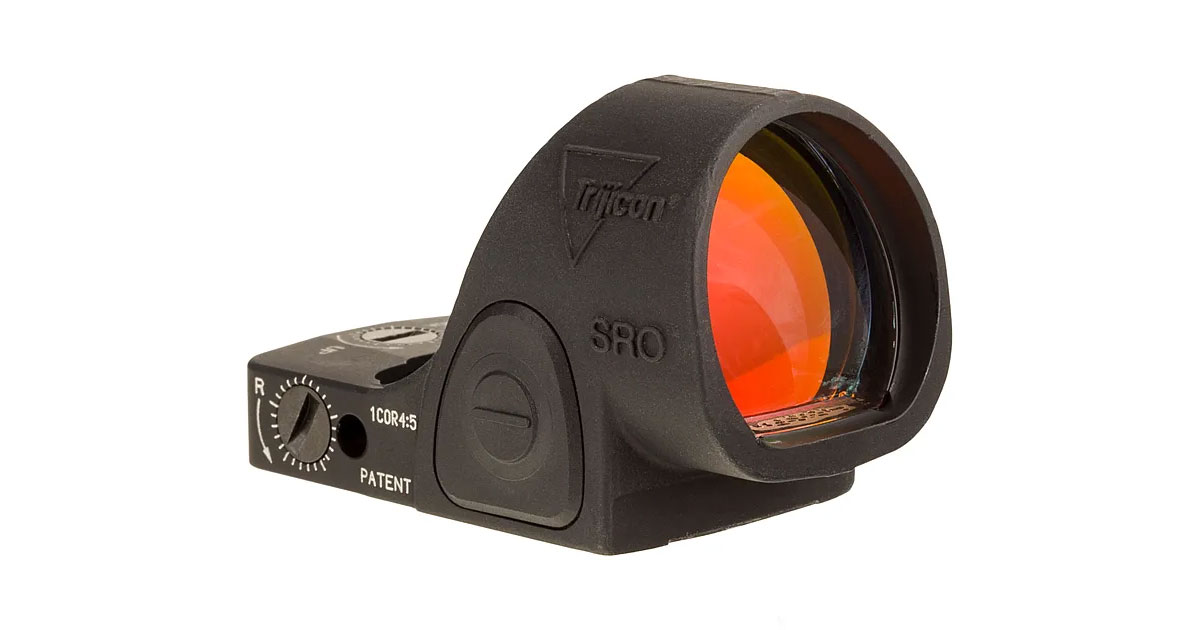
Uses the same RMR screw pattern — mounts on any RMR-cut slide or plate. Significantly larger window than the RMR, popular for competition. Less impact-resistant than the RMR; not recommended for hard-use duty applications.
A subcompact-specific footprint for ultra-slim slides. Even smaller than the RMSc. Very limited optic selection beyond Trijicon's own RMRcc.


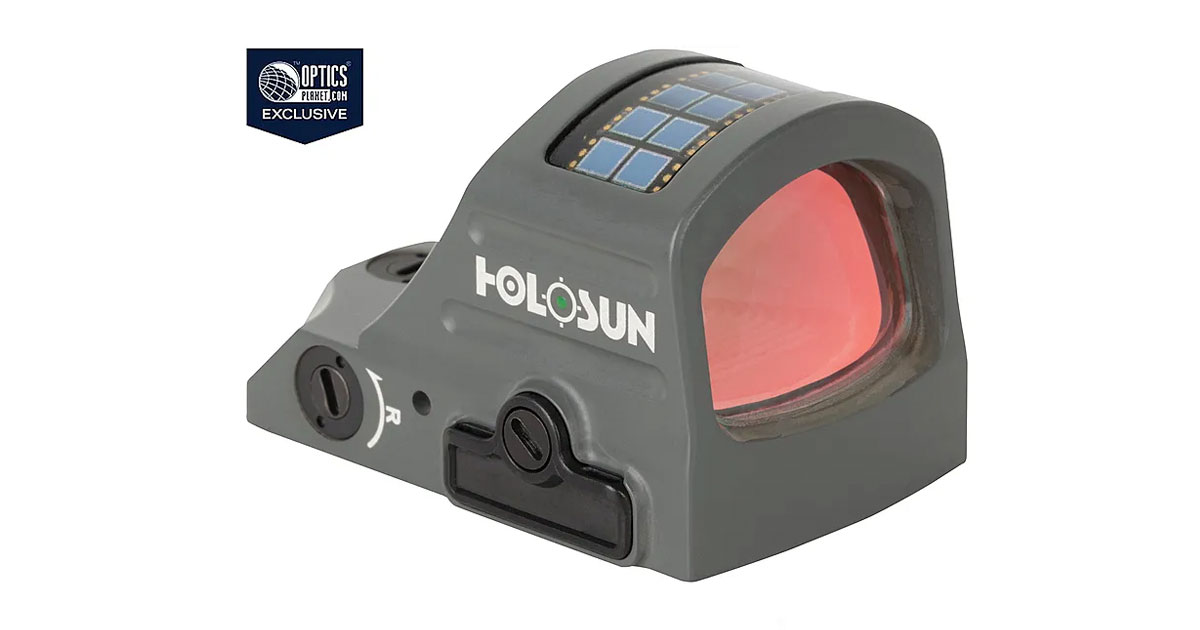

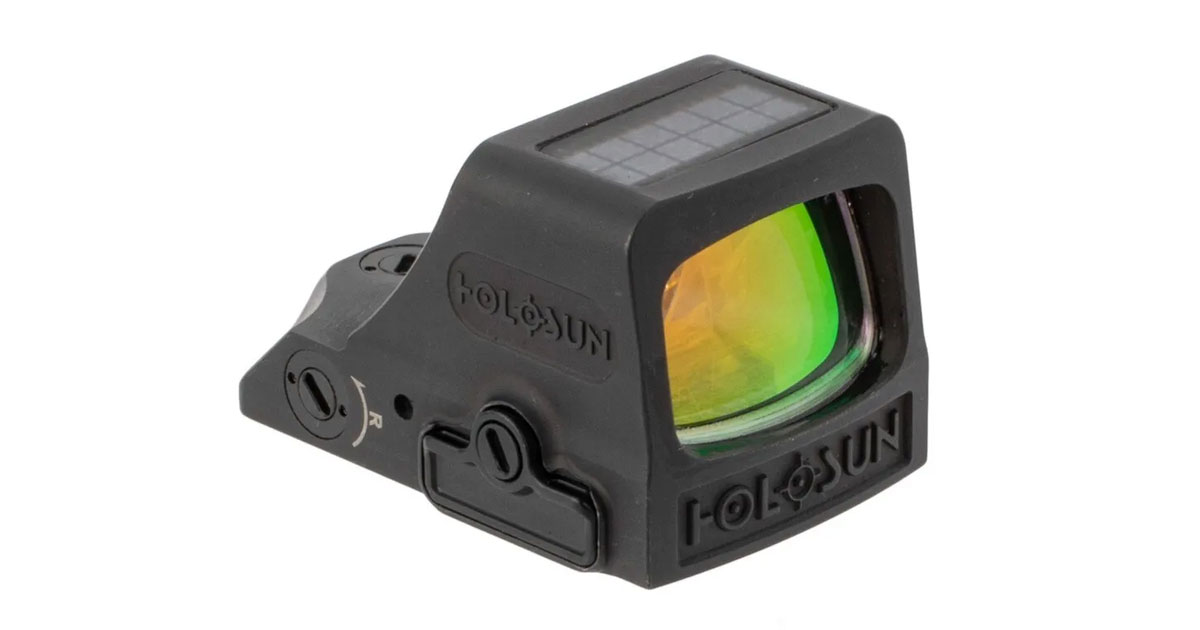
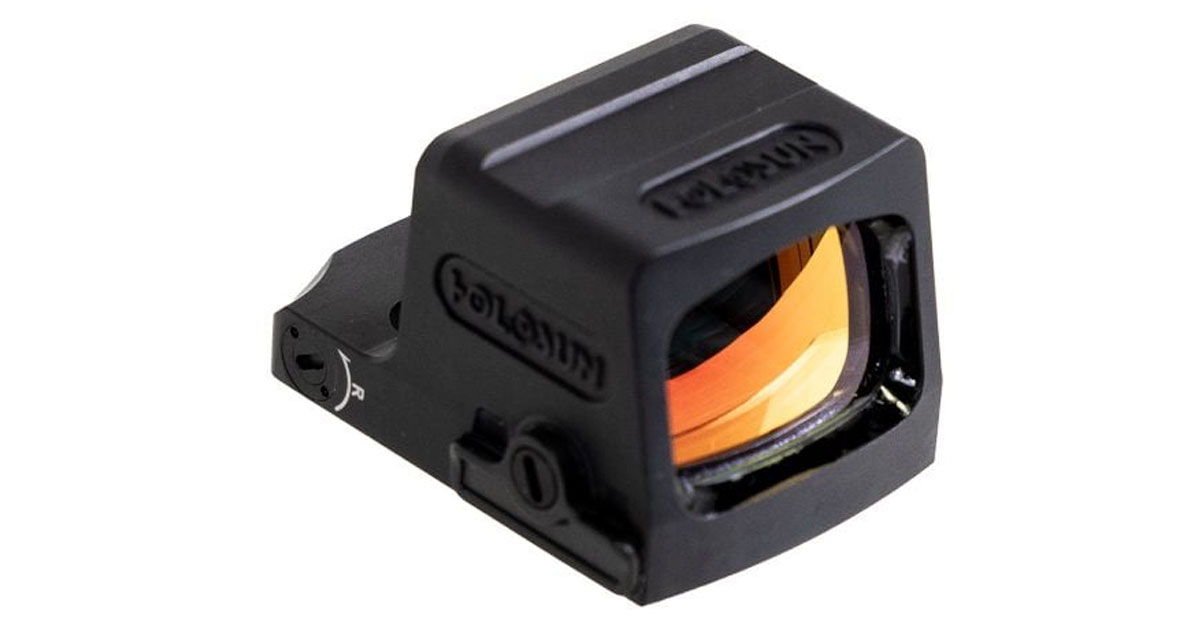
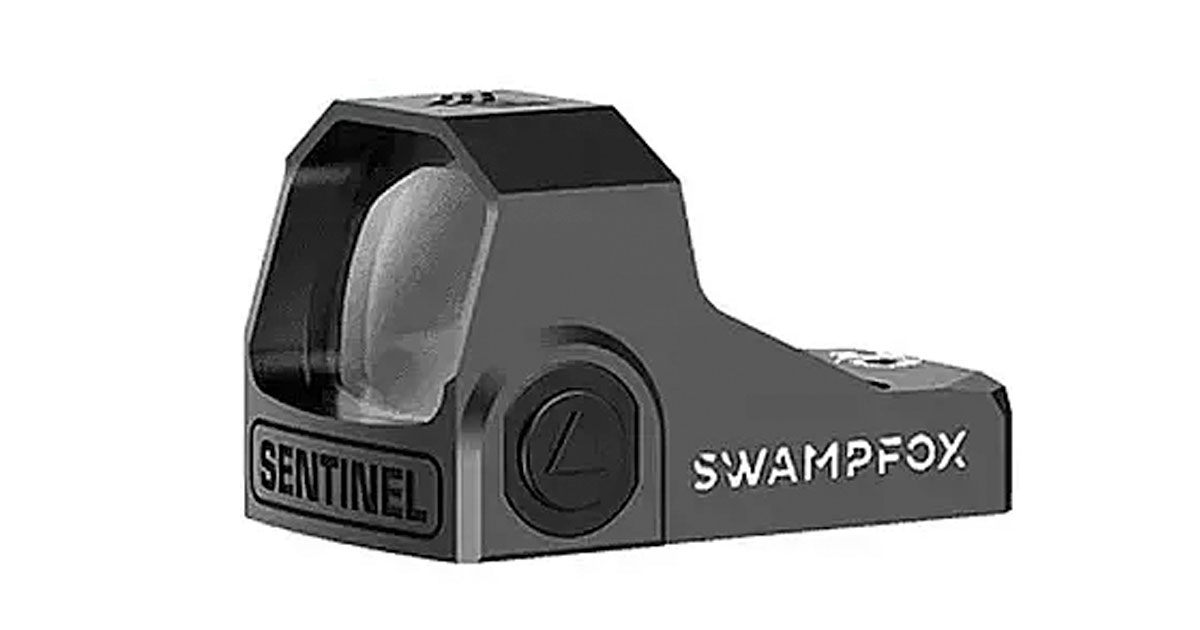

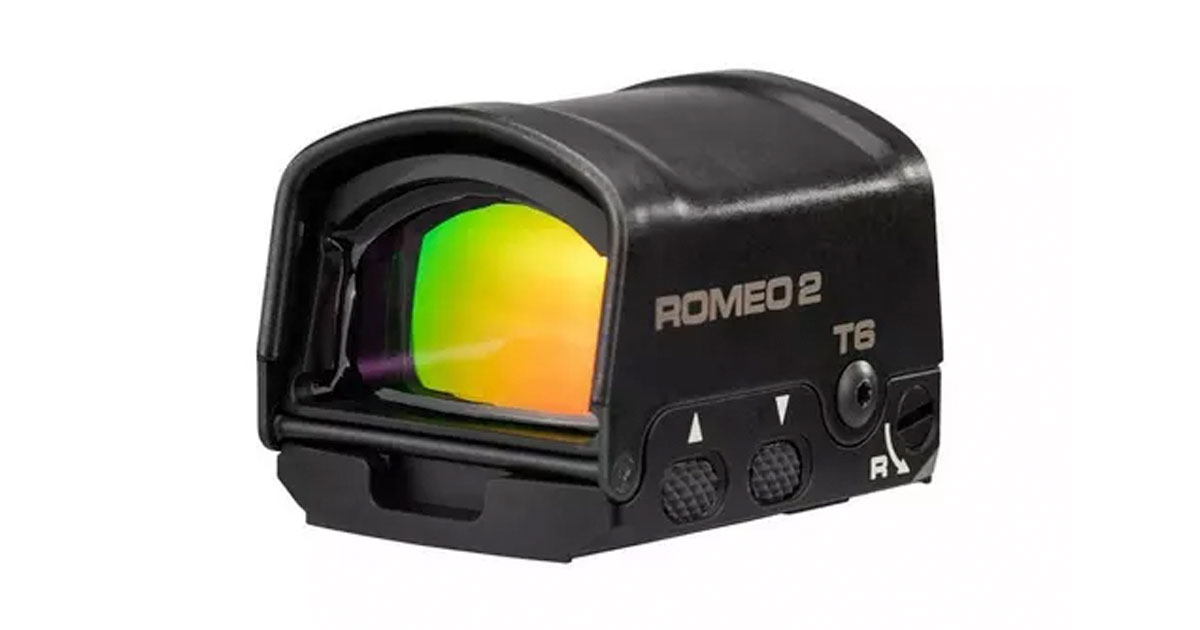
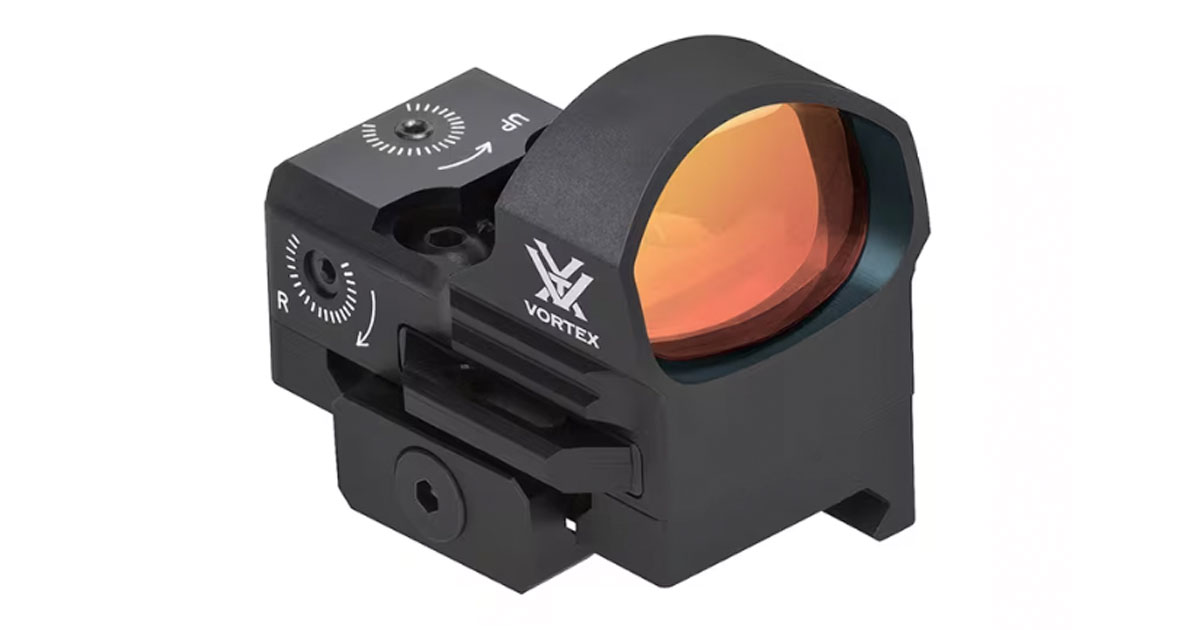
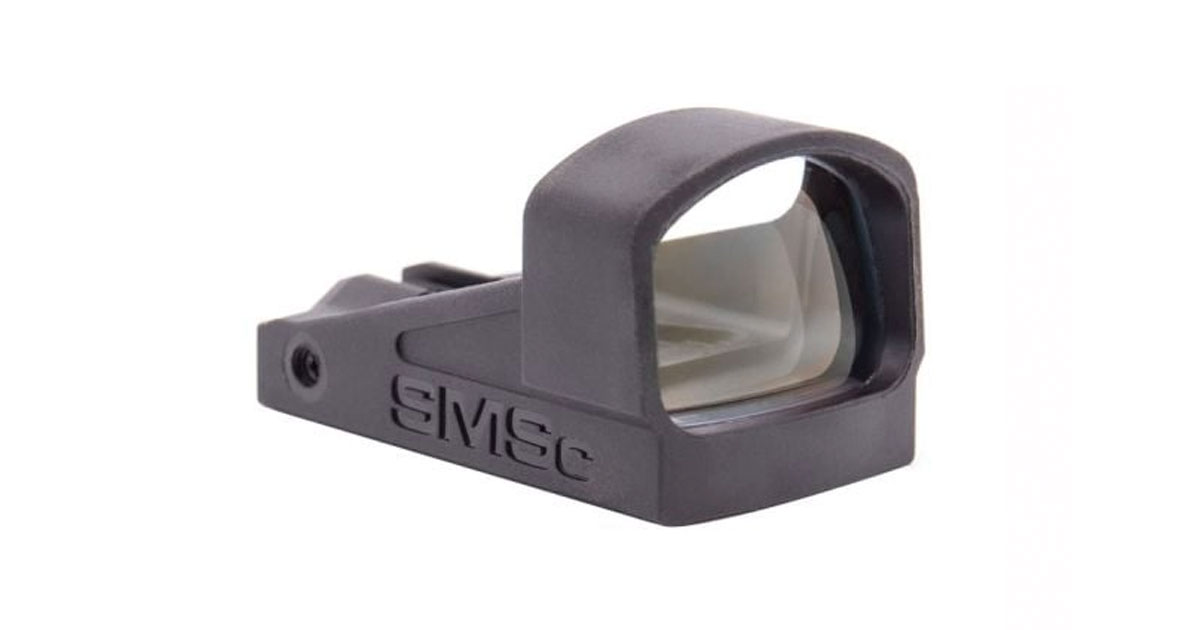

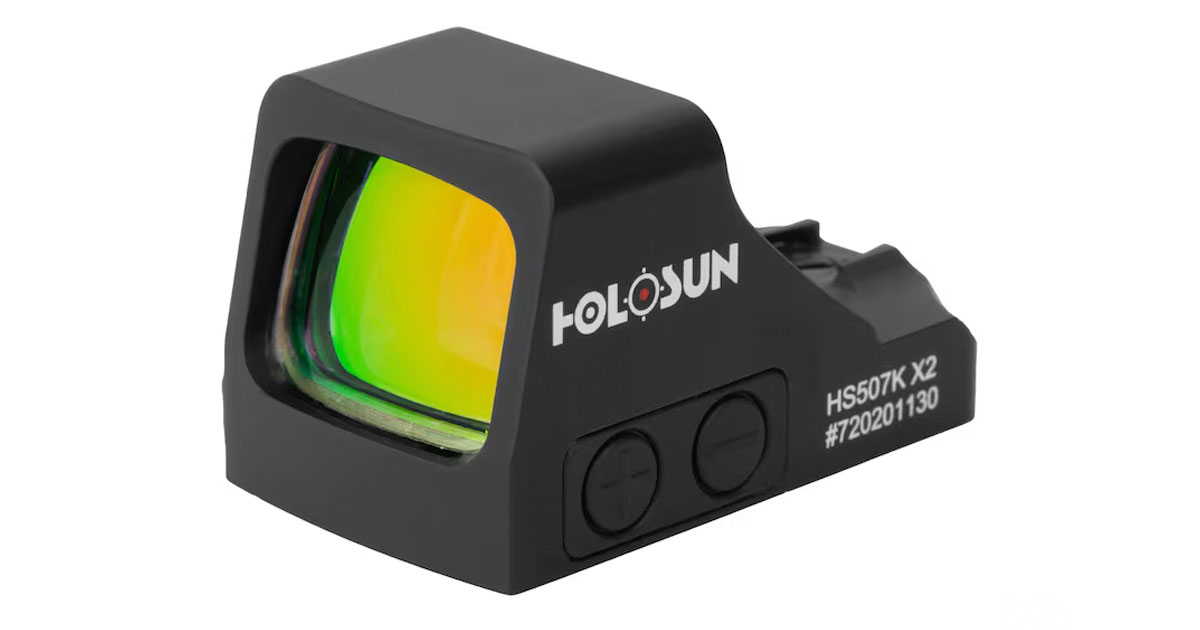

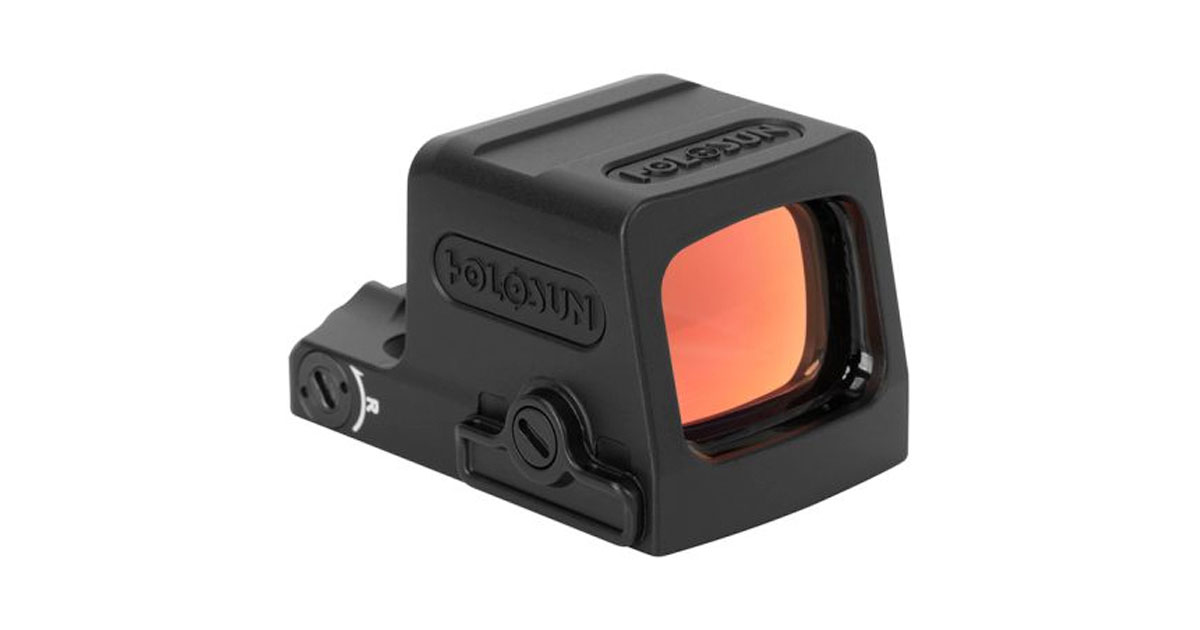
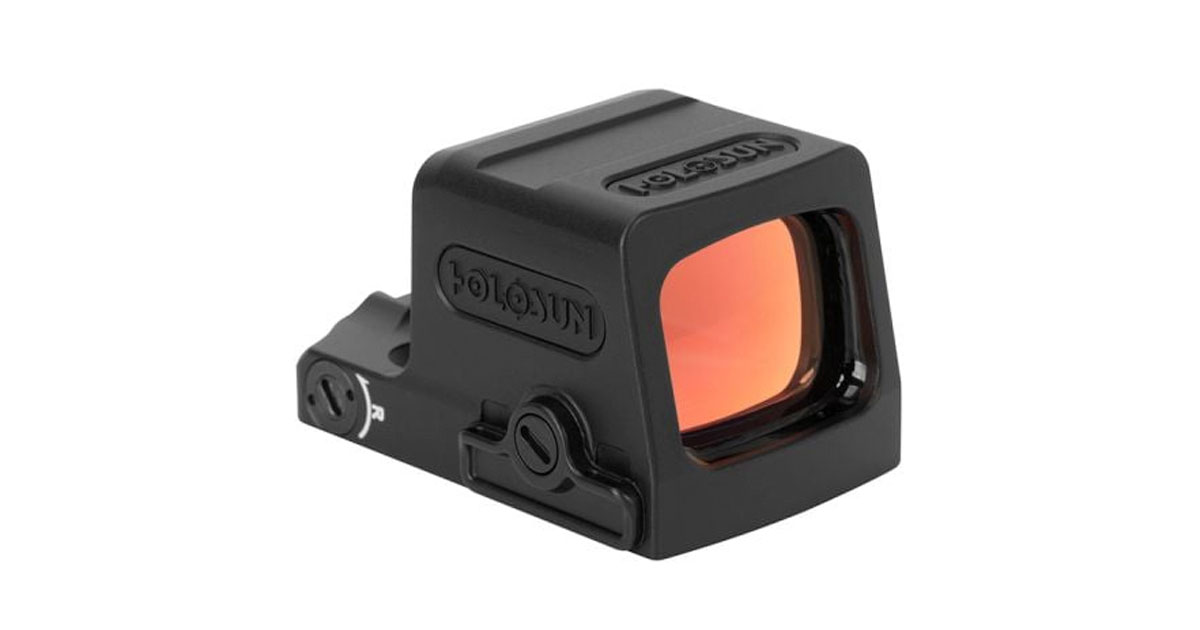

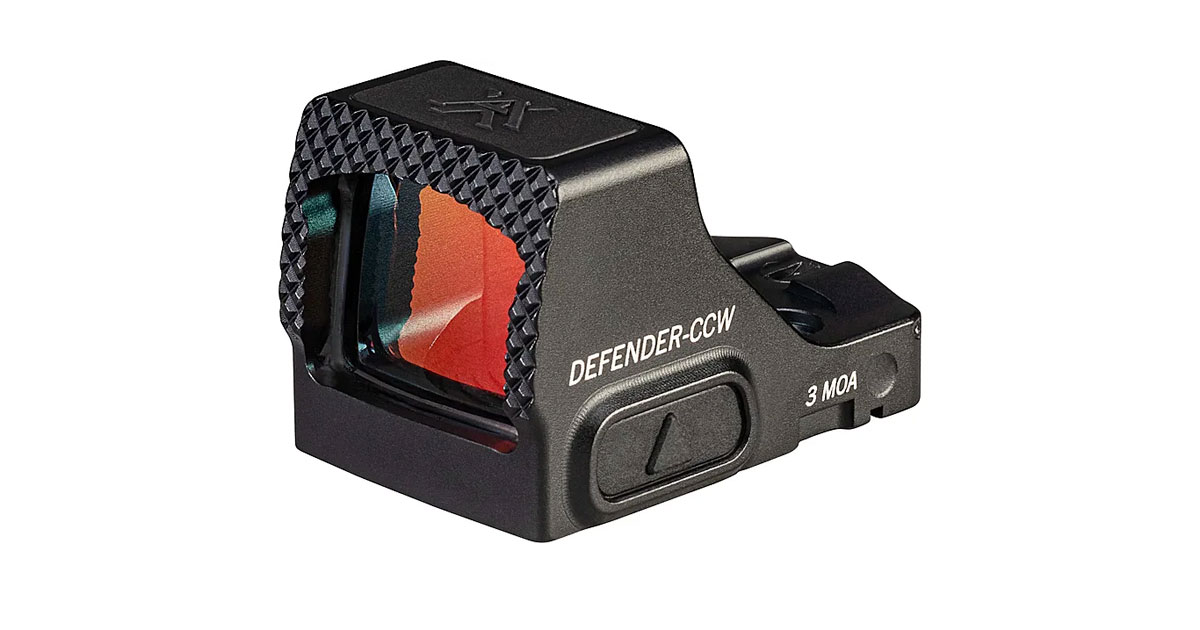
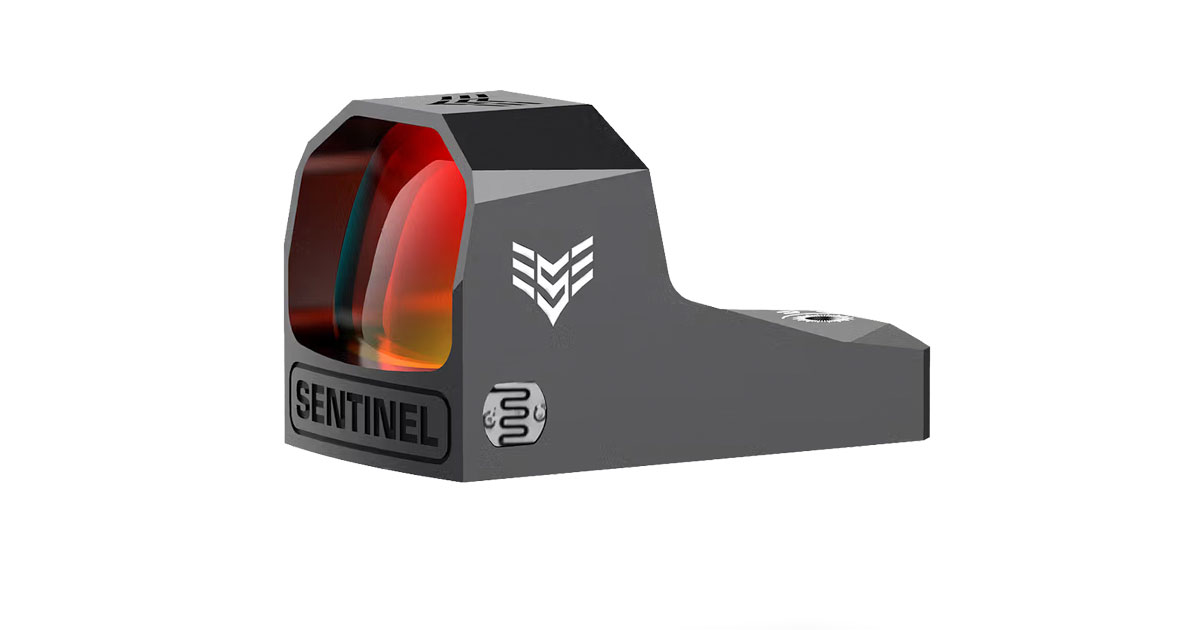


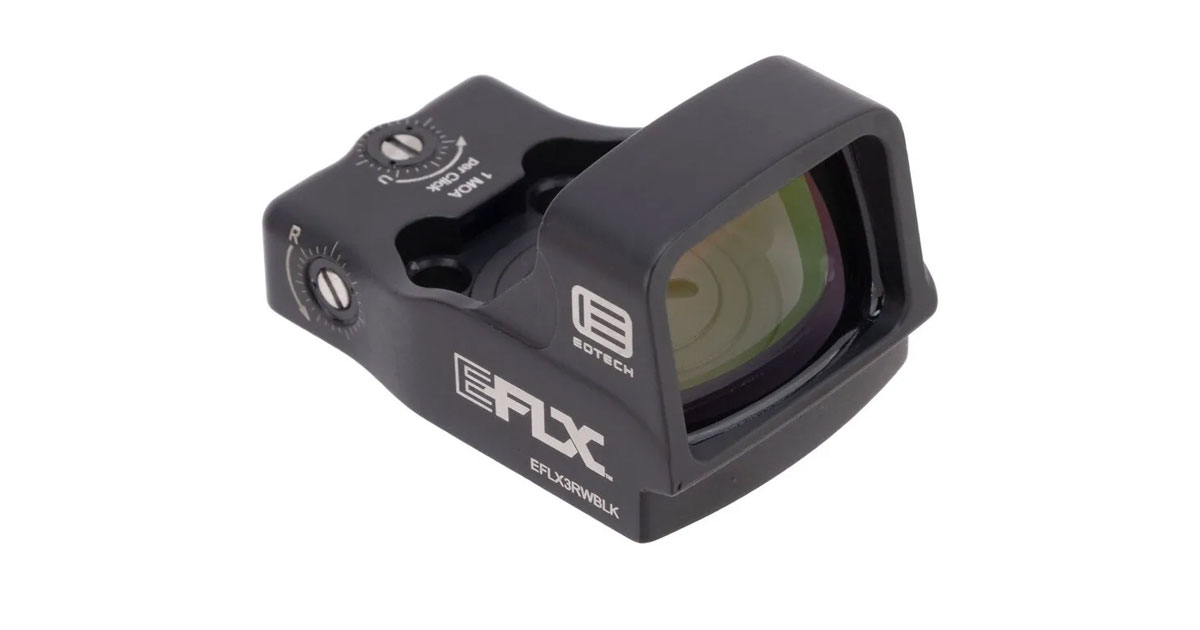
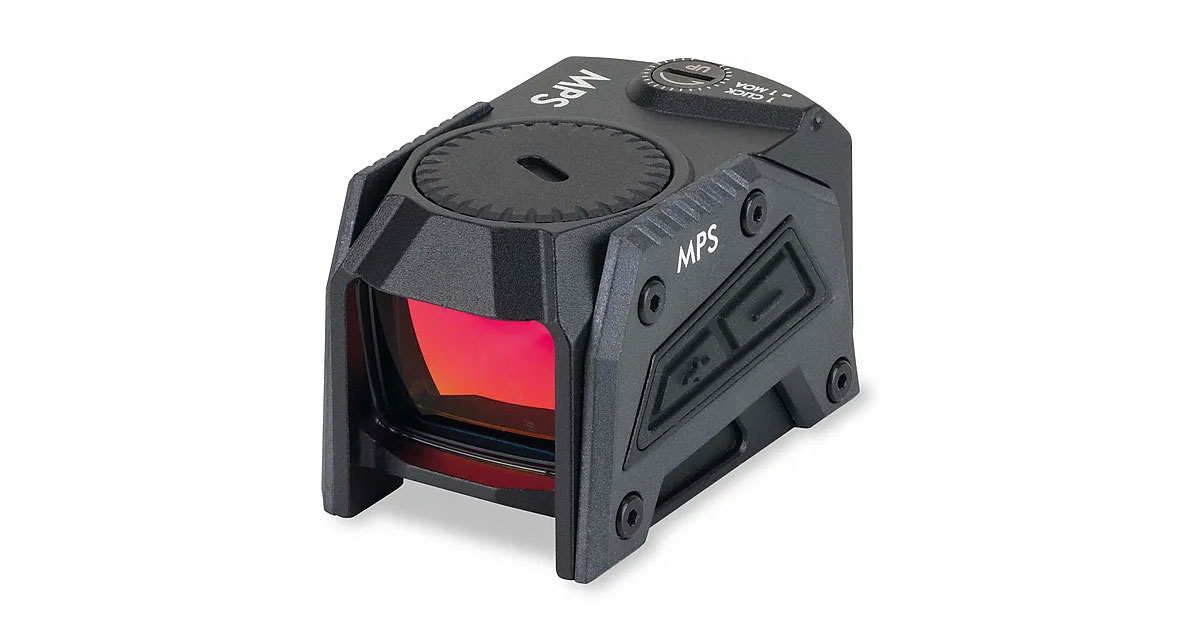
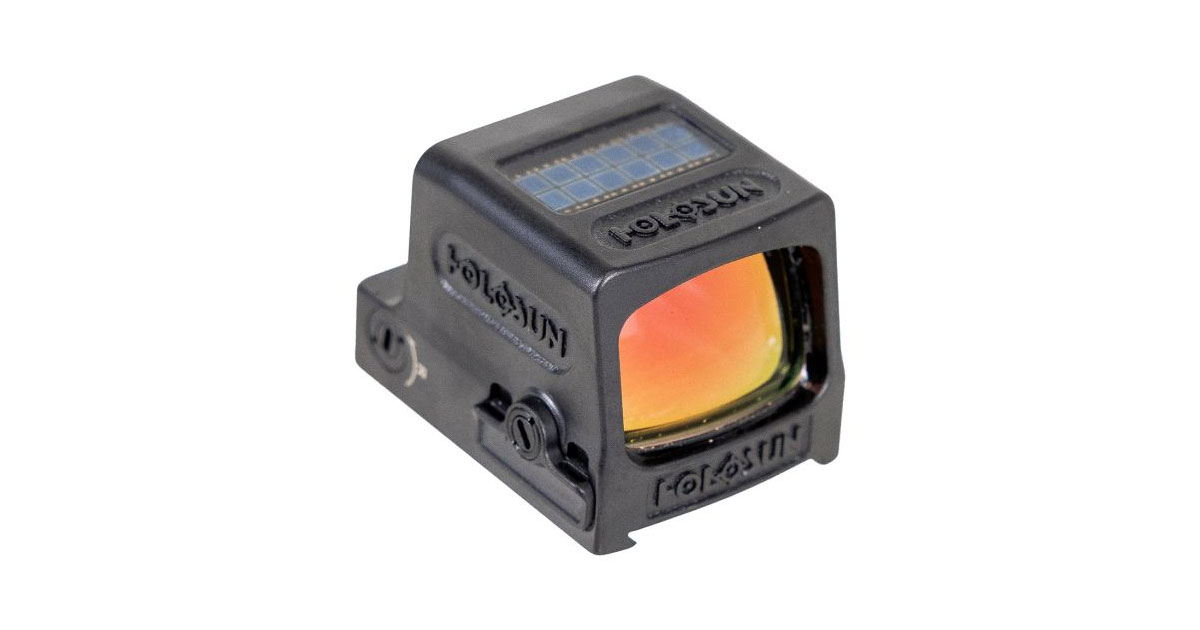
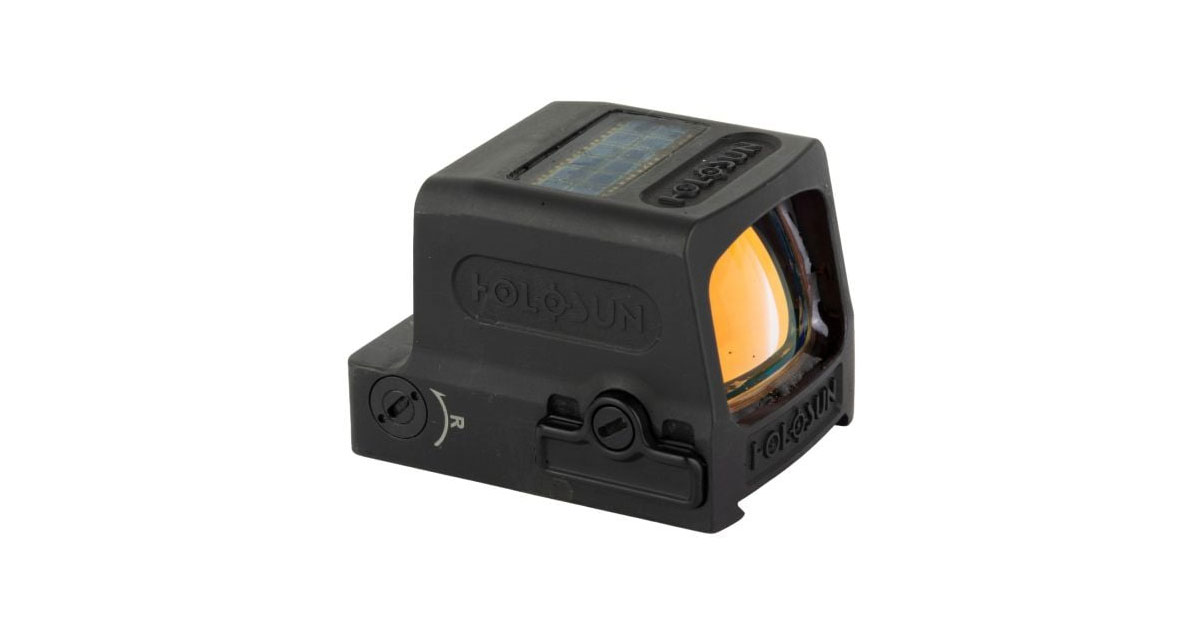
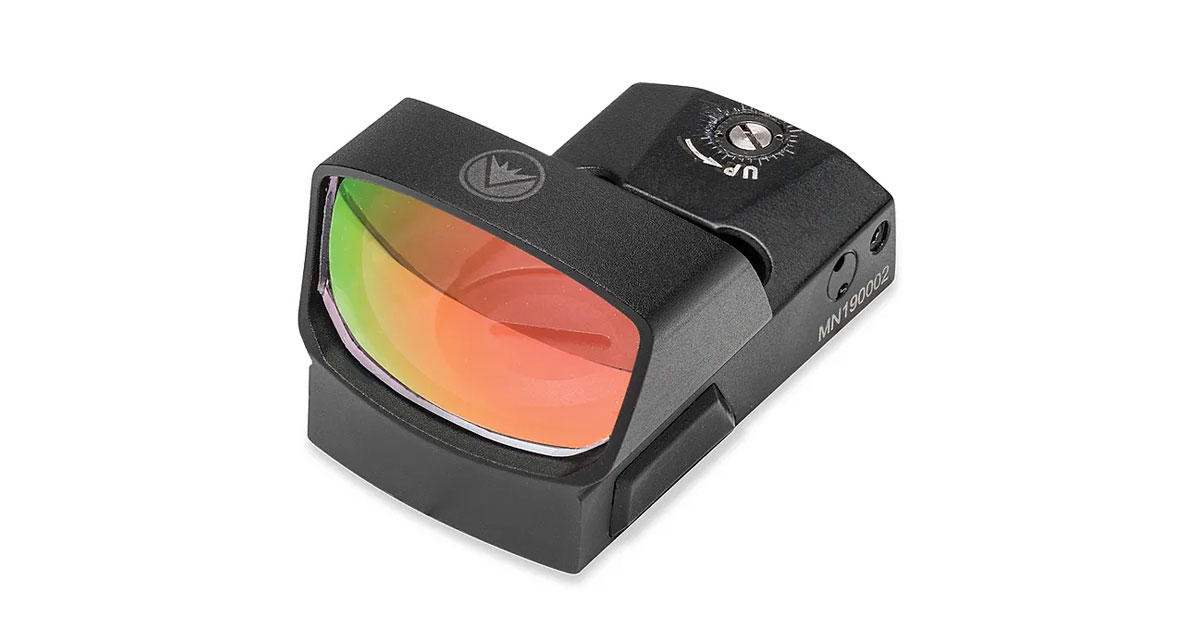


Note: True holographic sights are primarily rifle-format, with the exception of the FN PUREVIEW, as mentioned above). Included here for completeness — some competition shooters run these on long-slide pistols.
Open emitter designs have the LED projector exposed inside the optic body. Generally lighter, lower-profile, and offer larger apparent windows for their size. The trade-off: lint, pocket debris, rain, and mud can land on or block the emitter. For range work and competition, rarely a problem. For concealed carry drawing from a pocket or tight holster, it warrants consideration.
Enclosed emitter designs seal the LED inside a fully enclosed housing. The emitter cannot be fouled by debris, rain, or suppressor fouling. Modern enclosed emitters have largely closed the size and weight gap. For everyday carry, duty use, or suppressor-equipped pistols, the case for an enclosed emitter is strong.
For most civilian shooters doing range work and competition, an open emitter like the Holosun 507C X2 is the best value proposition. For duty use or hard-use carry, consider the Holosun EPS, EPS Carry, or Aimpoint ACRO P-2.
Green dot variants carry a modest price premium — typically $20–$40 more than equivalent red versions.
Visibility: The human eye is most sensitive to green light under most lighting conditions. A green dot appears brighter at the same power setting, translating to longer battery life at equivalent perceived brightness.
Astigmatism: The most important practical difference. Shooters with astigmatism frequently find red dots appear as blurry starbursts rather than crisp dots. Green dots are consistently reported to appear sharper. If you struggle with a fuzzy dot, try green before concluding you can't run a pistol optic.
Wash-out: Green dots can wash out against similar-color backgrounds — green vegetation, certain camouflage. Red holds the advantage in those scenarios.
Recommendation: If you have astigmatism, try green. The Holosun 507C X2 Green (full-size) or 507K X2 Green (compact) are the best entry points. Otherwise, red remains the well-tested standard.
Practical guidance: For defensive carry, a 3–4 MOA dot strikes the best balance between speed and precision. For competition, 2–2.5 MOA offers the precision edge. The Holosun multi-reticle system (2 MOA center dot + 32 MOA outer ring, selectable or combined) is arguably the best overall system for shooters who want flexibility on one optic.
Battery life ranges from a few hundred hours on budget optics to 50,000+ hours on Holosun's most efficient models. For carry guns, Holosun's solar failsafe is a genuine practical advantage — even a dead CR2032 won't leave you without a dot in daylight. Look for side-loading battery compartments (Holosun 507C, Vortex Razor) which allow a battery swap without removing the optic, preserving your zero.
The Trijicon RMR Type 2 remains the benchmark — MIL-STD-810G tested. For most civilian applications this isn't necessary, but it matters for duty use. The Holosun EPS series and Aimpoint ACRO are the enclosed-emitter benchmarks.
Larger windows make finding the dot faster. The Trijicon SRO has the largest window of any RMR-footprint optic. The Leupold DeltaPoint Pro leads its footprint category. Important for competition; beneficial for defensive use.
Verify that holsters are available for your specific pistol/optic combination before purchasing the optic. RMR-footprint optics have the broadest holster ecosystem. Niche footprints may have limited holster options, particularly for concealed carry.
For a carry gun that may sit in a holster for extended periods, Shake Awake is highly practical — the dot is on the instant you draw. Auto-brightness adjusts to ambient light automatically, useful when transitioning between indoor and outdoor environments.
C&H Precision — The gold standard for Glock MOS plates. Tighter tolerances than factory. Available for RMR, DPP, RMSc, ACRO, and 509T footprints.
DPP Titanium — Titanium adapter plates; lightweight and well-machined. Particularly useful for resolving RMSc vs. Holosun K pin compatibility issues.
Agency Arms — Popular aftermarket slide and adapter solutions for Glock platforms.
No. "Optics ready" only means the slide has a cut for a red dot. The specific footprint of that cut — or the available adapter plates — determines which optics are compatible. Always verify footprint compatibility before purchasing.
The RMR footprint. It has the most compatible optic options, the largest holster ecosystem, the most adapter plate support, and is accepted natively or via adapter by more pistols than any other standard.
No. The RMR footprint is larger than the RMSc. An RMR optic will not fit an RMSc cut without a significant adapter that defeats the purpose of a compact slide.
They share the same screw hole spacing but differ in the recoil lug design. Shield RMSc uses four corner sockets; Holosun K uses two lugs. Most RMSc-cut slides are compatible with both, but some slides have posts that interfere with Holosun K optics. A DPP Titanium spacer plate resolves this on problematic platforms.
For casual use, yes. For competition or duty, factory MOS plates are frequently replaced with C&H Precision plates for better zero retention under sustained recoil.
Suppressor-height iron sights that co-witness through the lower third of the optic window. If the optic fails, you use iron sights visible through the bottom of the glass. Popular choices: Trijicon HD XR, Ameriglo GL-429, and the suppressor-height sights shipped standard on SIG P320/P365 OR models.
No — though the terms are often used interchangeably. True holographic sights (EOTech) use laser transmission holography. Red dot sights use an LED reflected off a lens. For pistol applications the distinction is largely academic since true HWS are rifle-format optics.
Yes. RMR-footprint optics can be rifle-mounted using appropriate risers (Scalarworks SYNC, Arisaka Defense, Unity Tactical). Many pistol red dots are recoil-rated for 5.56 and even 12-gauge.
Last updated: May 2026. The pistol optics market evolves rapidly; verify specific compatibility with manufacturer documentation before purchase. Prices are approximate MSRP and may vary by retailer.



Gun Talk Giveaway
One lucky winner will bring home:
Open to U.S. residents 21+ only. Void where prohibited.