May 13, 2026
The definitive reference for defensive shooters, trainers, and buyers — covering every major pistol laser sight type, mounting system, activation method, product line, and compatibility matrix on the market.
Few accessories in the pistol world generate as much debate as laser sights. Proponents argue they are the single most effective aiming enhancement for low-light defensive use and non-standard shooting positions. Skeptics argue they create over-reliance, introduce a potential point of failure, and don't replace fundamental marksmanship. Both sides have legitimate points.
In a defensive encounter, the aiming system that works is the one that's actually usable under the conditions you face. Most civilian defensive shootings happen at close range, under stress, in low light, and often from non-standard positions — shooting around cover, from the ground, one-handed, or with an arm that's been compromised. A laser delivers an aiming solution that works in all of those conditions. You don't need to align three separate elements (rear sight, front sight, target) — you find the dot on the target and press the trigger.
For shooters with aging eyes, degraded vision, or astigmatism severe enough to make iron sights or red dot optics frustrating, a laser can be genuinely transformative. The dot is projected onto the target itself — not into an optic or at arm's length — which means no focal length conflict for older eyes.
For new shooters who are not willing to invest in hundreds of hours of range training, a laser dramatically reduces the skill floor required for defensive accuracy at typical engagement distances (7–15 yards).
A laser is a supplement, not a substitute. Batteries die. Electronics fail. Lasers can be nearly invisible in bright daylight, especially red lasers. A shooter who trains exclusively with a laser and never develops iron sight or red dot proficiency has built a conditional skill set with a single point of failure.
The better framing: a laser is a force multiplier for a shooter who already has fundamental pistol skills. Train without it. Carry with it.
This is the most important section to understand before purchasing. Unlike red dot optics (which mount to the slide) or WMLs (which mount to the accessory rail), pistol lasers come in several fundamentally different form factors — and the right one for your pistol may not be the most popular option.
Mount to the pistol's accessory rail (1913 Picatinny, Glock accessory rail, or proprietary slim rails) via a clamp system. They sit forward of the trigger guard and project the laser from under the barrel. Rail-mounted lasers can be universal (fitting any standard rail) or platform-specific. They require a dedicated holster and are the most affected by rail type compatibility.
Who it's for: Pistols with a rail; shooters who want maximum output and adjustability; shooters who may swap the laser between platforms.
Examples: Crimson Trace CMR-206, CMR-204, Viridian C5L, Viridian X5L, LaserMax UniMax
These replace the factory grip panels on the pistol entirely, integrating the laser into the grip itself. Pioneered by Crimson Trace, Lasergrips project the laser beam from the front strap of the grip, close to the bore axis. The activation switch is a pressure pad built into the grip — squeeze the gun normally and the laser activates automatically (Instinctive Activation).
Key advantages: no rail required, minimal profile change, compatible with most existing holsters because nothing is added forward of the trigger guard, and the laser activates automatically without any cognitive steps. Lasergrips are model-specific — Crimson Trace manufactures over 85 different models.
Who it's for: Revolvers, 1911s, and other pistols with interchangeable grip panels; shooters who prioritize holster compatibility and instinctive activation.
Examples: Crimson Trace LG-series Lasergrips (platform-specific)
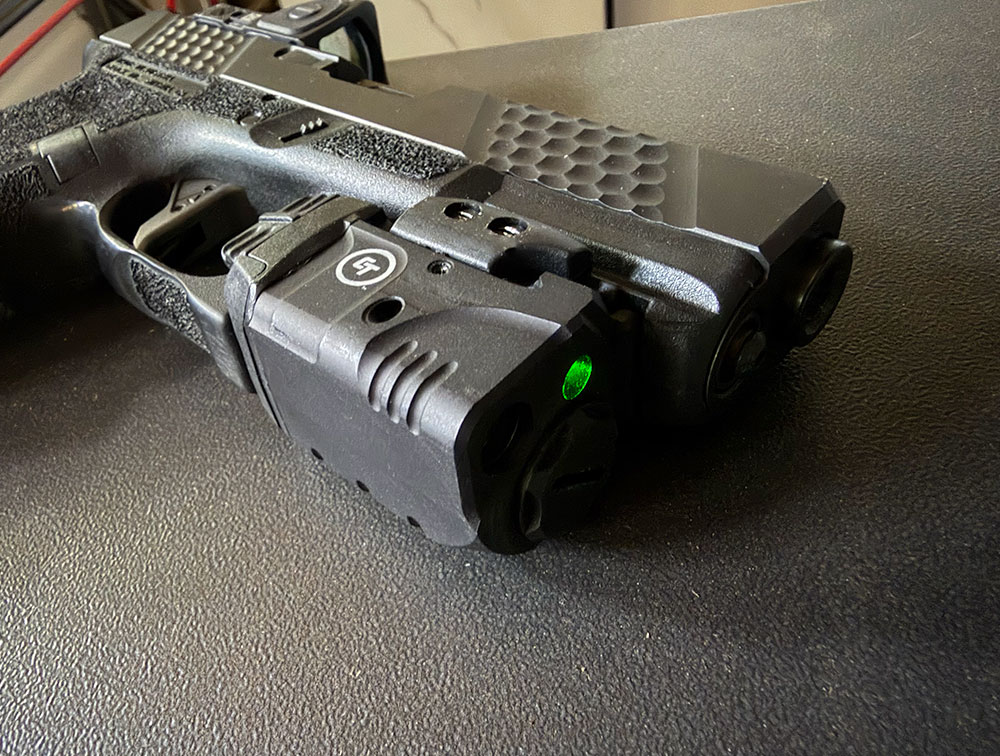
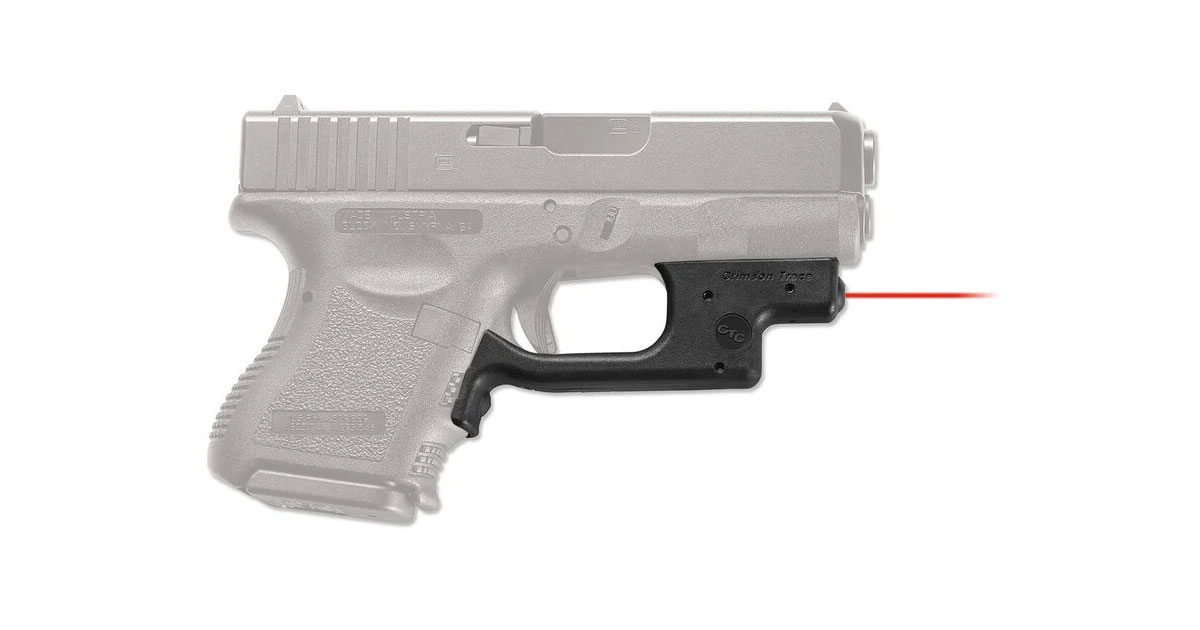
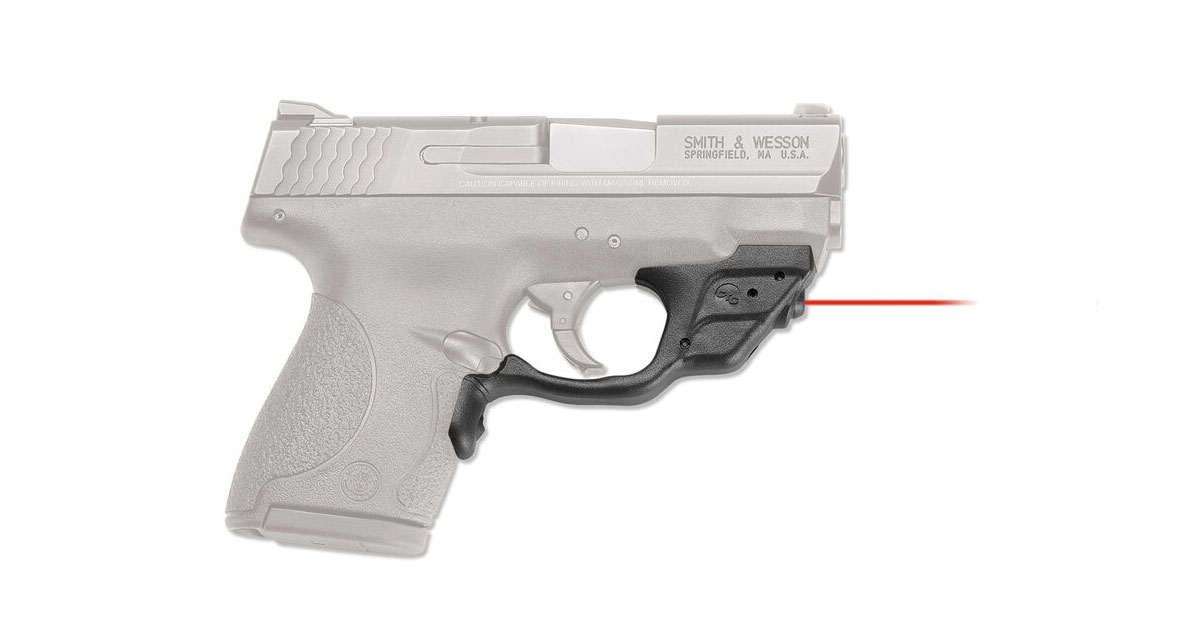
These mount to the trigger guard and dust cover of the pistol, wrapping around the front of the frame. Platform-specific but do not replace the grip panels. Most use a pressure-pad activation switch positioned where the trigger finger naturally rests when indexed. Laserguards extend slightly forward of the trigger guard and require a dedicated holster. They work on pistols that don't have interchangeable grip panels (like most polymer-framed striker-fired pistols).
Who it's for: Compact and subcompact pistols without replaceable grip panels; shooters who want instinctive activation on a Glock, S&W Shield, Ruger LCP, or similar platform; shooters with no accessory rail.
Examples: Crimson Trace LG-443 (Glock 42/43), LG-436 (Glock 19/23/26/27), LaserMax Centerfire series, ArmaLaser TR series, Viridian Reactor series
The most discreet option available. A guide rod laser replaces the factory recoil spring guide rod inside the pistol. The laser housing is entirely internal — nothing is visible from the outside. The laser aperture sits just forward of the barrel, very close to the bore axis.
Advantages: zero external profile change; completely invisible when holstered; full holster compatibility since nothing changes externally; closest-to-bore-axis alignment of any pistol laser. Disadvantages: not universally available for all pistols; factory alignment may not be adjustable; replacing an internal component on a carry gun is debated among some instructors.
Who it's for: Shooters who prioritize concealment and zero profile change; shooters who want maximum holster compatibility.
Examples: LaserMax Guide Rod Laser (model-specific per pistol)
Very small lasers designed for pistols with no accessory rail. Clamp around the trigger guard or grip frame. Output is typically modest but allows laser capability on subcompact pistols where nothing else fits.
Who it's for: Pocket pistols, no-rail subcompacts, and ultra-small carry guns.
Examples: Streamlight TLR-6, ArmaLaser (some models), Viridian E-Series
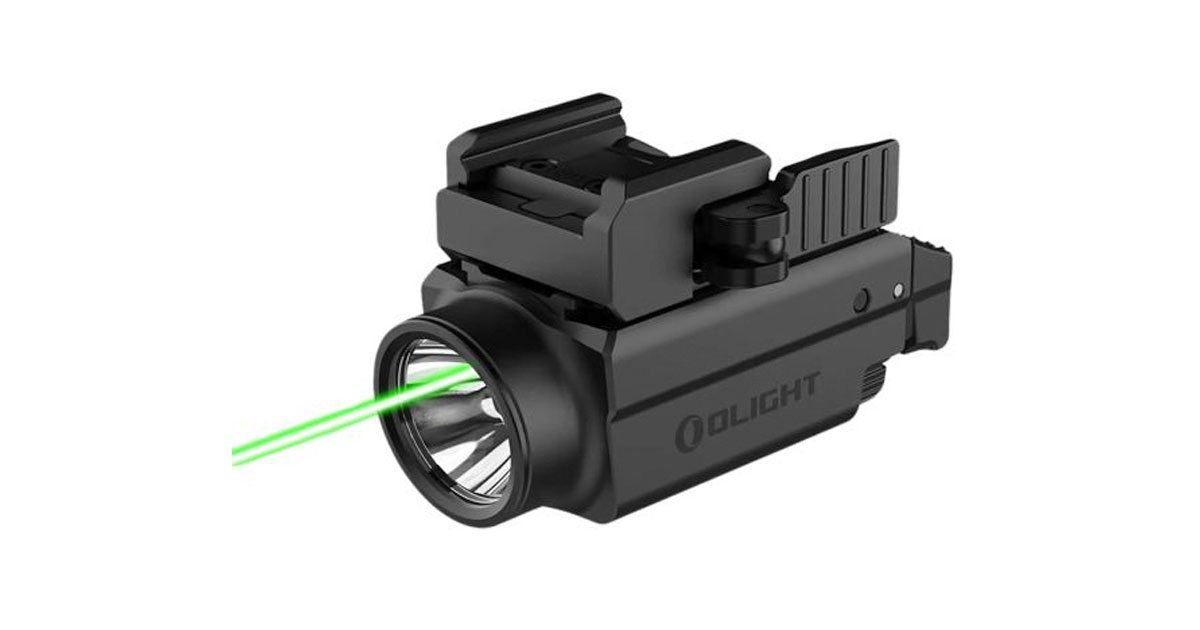
Integrate a white light LED and a visible laser in a single rail-mounted unit. They mount like a standard WML and activate via paddle switches. The trade-off: slightly larger than a dedicated laser, and raw lumen output is sometimes reduced to accommodate the laser module. For shooters who want both capabilities, a quality combo unit eliminates the need to choose.
Examples: Streamlight TLR-8 series, SureFire X400 series, Nightstick TWM-30G, Olight Baldr Pro/Baldr S
Instinctive Activation — A laser that activates automatically when the pistol is gripped normally, with no deliberate switch manipulation required. The gold standard for defensive carry. Crimson Trace's pressure pad system and Viridian's ECR are the two dominant implementations.
Pressure Pad / Pressure Switch — A compression-sensitive switch built into the laser's body or grip panels. When compressed by a natural firing grip, it activates the laser.
Constant-On — The laser activates and stays on when switched on, regardless of grip pressure.
Momentary-On — The laser activates only while the switch is actively pressed. Useful tactically to briefly confirm aim without continuous laser signature.
Pulsing / Strobe Beam — Some lasers (notably older LaserMax guide rod models) emit a pulsing beam rather than a constant dot. More visible in some conditions but harder to track during recoil.
Bore Axis Offset — The distance between the center of the pistol's bore and the laser's emission point. Every laser has some offset. Guide rod lasers have the least; rail-mounted lasers have more (mounted below bore); grip lasers have the most (mounted at the side). At defensive distances (7–15 yards), offset is a minor factor.
Zero Distance — The specific distance at which the laser dot and the bullet's point of impact are aligned. Most factory lasers are pre-zeroed at 50 feet (~15 yards). Always verify with live fire.
ECR (Enhanced Combat Readiness) — Viridian's proprietary auto-activation system. A magnet in a dedicated holster keeps the laser in standby. When the pistol is drawn, the magnet disengages and the laser activates instantly. When reholstered, it deactivates.
Class IIIa / Class 3R — The laser safety classification for all commercial firearm lasers sold in the U.S. Maximum 5 milliwatts (5mW) output. Regulated by the FDA.
5mW — The maximum power output permitted for civilian laser sights in the United States. All major commercial pistol laser brands operate at or below this limit.
Wavelength (nm) — Determines laser color. Red lasers: 630–680nm. Green lasers: 515–532nm.
In daylight, the eye is better able to see green light — green wavelengths trigger both the M- and L-cone receptor cells inside the eye, while red wavelengths at 630–680nm trigger fewer. Green lasers at 515–532nm sit near the eye's peak sensitivity (~555nm) and appear up to 5x brighter than red at the same 5mW power output. In low light, both colors perform similarly well.
Practical implication: If you're primarily using indoors or at night, red is perfectly functional and costs less. If you shoot outdoors or want daylight visibility, green is a meaningful upgrade.
Red lasers use a simple diode that produces red light directly. Mature technology, cheap, efficient, and tolerant of temperature extremes. Green lasers use a more complex diode-pumped system that is more expensive and more sensitive to temperature — they can dim significantly below 32°F and may overheat in extreme heat.
Practical implication: Red lasers are more reliable in extreme temperature ranges. Green lasers may underperform in cold-weather carry in northern climates.
Green lasers consume more power due to their more complex optical system. Red lasers typically offer 4–10+ hours of continuous use; green lasers often provide 1–4 hours. For instinctive activation carry use, shorter battery life is a real consideration with green.
Red laser units are typically $50–$150 less expensive than equivalent green laser versions from the same manufacturer.
For low-light-only defensive use with instinctive activation: red is adequate and more reliable in cold weather. For outdoor use, well-lit environments, or any situation where daytime visibility matters: green is worth the premium. If budget is a constraint, a red laser you carry is more valuable than a green laser you don't buy.
The FDA limits civilian laser sights to 5 milliwatts (5mW). All commercial pistol laser sights sold in the United States are Class IIIa (Class 3R) devices. At the federal level, owning and carrying a pistol-mounted visible laser sight is legal for law-abiding citizens in all 50 states with no special permit required beyond what the firearm itself requires.
Some states and municipalities have laws addressing laser sight use in specific contexts (pointing at aircraft, law enforcement, etc.) rather than restricting ownership. Always verify your specific jurisdiction's rules, particularly if you travel across state lines.
At 5mW, a Class IIIa laser can cause temporary or permanent eye damage if pointed directly into the eye at close range. Standard firearms safety rules apply — the laser is part of the weapon system and subject to all the same rules as the firearm itself.
A visible laser on a defensive firearm has occasionally been raised in legal proceedings as alleged evidence of premeditation. This argument has been largely unsuccessful — courts have generally treated a laser sight as a standard defensive accessory — but it is worth discussing with a local use-of-force attorney if this is a concern in your jurisdiction.
How your laser activates is arguably more important than which brand or color you choose. In a defensive encounter with a compressed timeline, any additional cognitive step between "threat recognized" and "laser active" is a liability.
The laser activates when you grip the pistol normally. No button to find, no switch to flip. This is the activation method of Crimson Trace Lasergrips and Laserguards, most ArmaLaser trigger guard models, and some Viridian models. When training for defensive use, this is the gold standard.
The potential downside: the laser is also on any time you grip the pistol — during practice draws, handling, or inspection. This burns battery life and requires discipline about where the laser dot lands during manipulation.
Viridian's ECR system uses a magnet embedded in a dedicated holster. The laser activates instantly when the pistol is drawn and deactivates automatically when reholstered. This provides the "no cognitive step required" benefit of instinctive activation but eliminates the laser-on-during-handling issue — because if the gun is in the holster, the laser is off. The limitation: ECR requires a Viridian ECR-compatible holster.
Some rail-mounted lasers and most guide rod lasers use a deliberate manual switch. The LaserMax Guide Rod Laser activates via the takedown lever; some Viridian models use a side-mounted button. Manual activation gives you precise control but requires a deliberate action during what may be the most stressful moment of your life. Appropriate for range work and some experienced carry shooters, but instinctive activation is generally preferred for primary defensive carry.
Many lasers offer a pulsing/strobe mode alongside constant-on. A strobing laser is more visible and harder for the eye to dismiss than a constant dot, and can be useful for visibility in bright conditions. Most shooters find a constant dot easier to track during recoil for accuracy purposes.
The most established name in pistol laser sights, founded in 1994. Crimson Trace manufactures the broadest range of platform-specific laser options available and originated Instinctive Activation technology. All products come with a 3-year limited warranty and the Free Batteries for Life program.
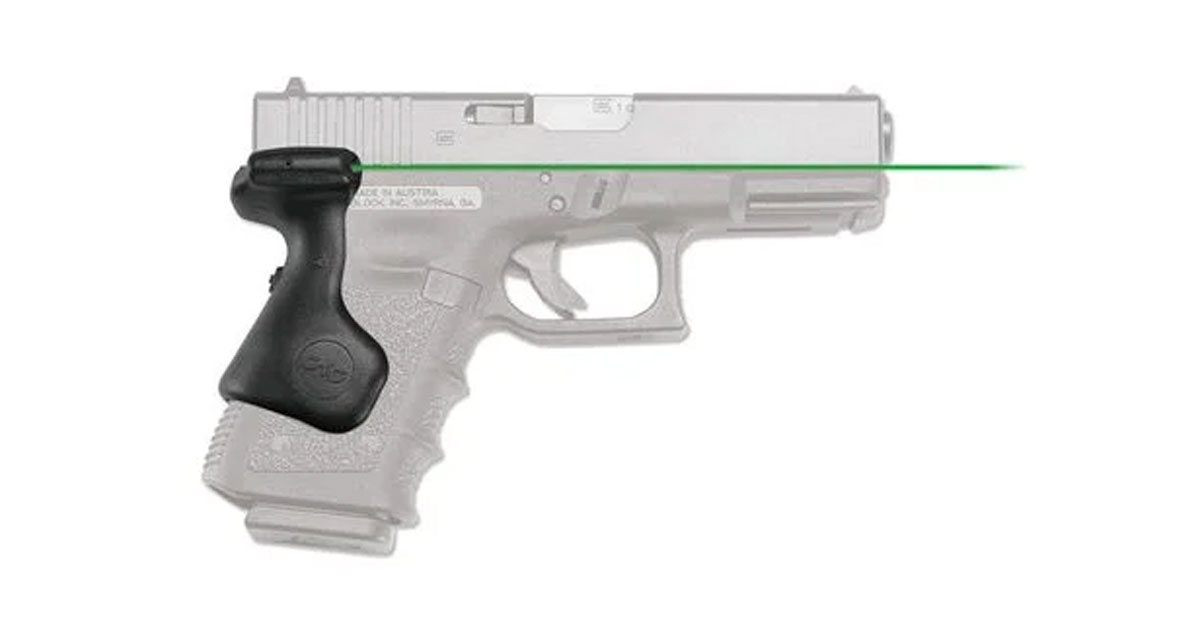


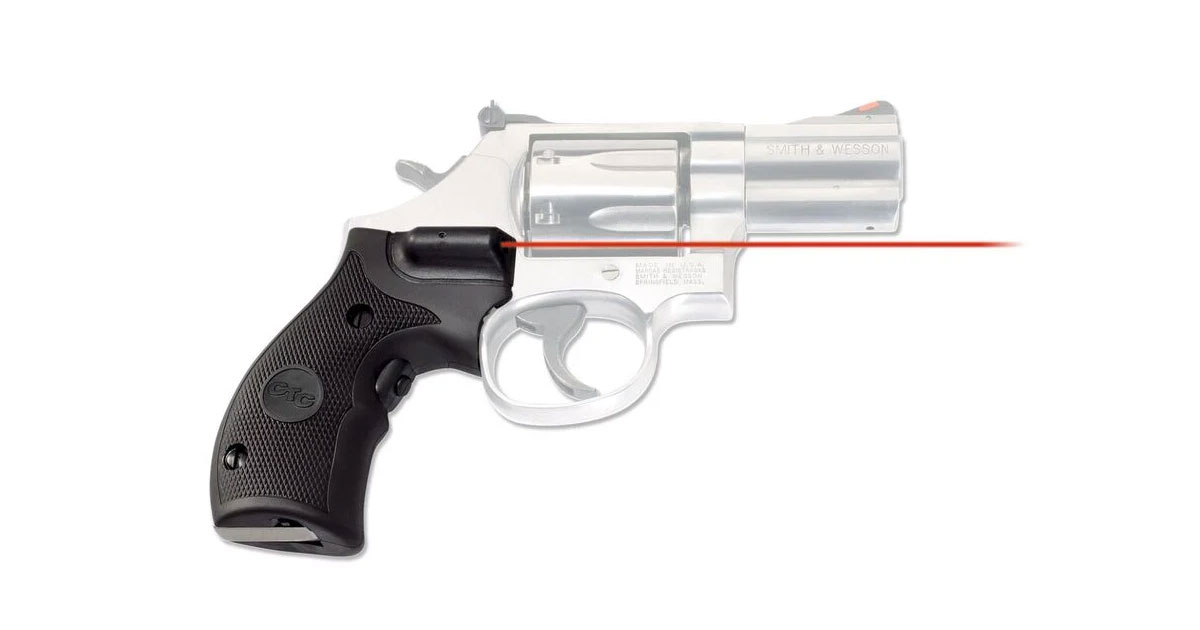
Note: Crimson Trace produces Lasergrips for over 85 specific pistol and revolver models. Always verify the exact model number against your specific firearm before purchasing. Their website includes a model selector tool.


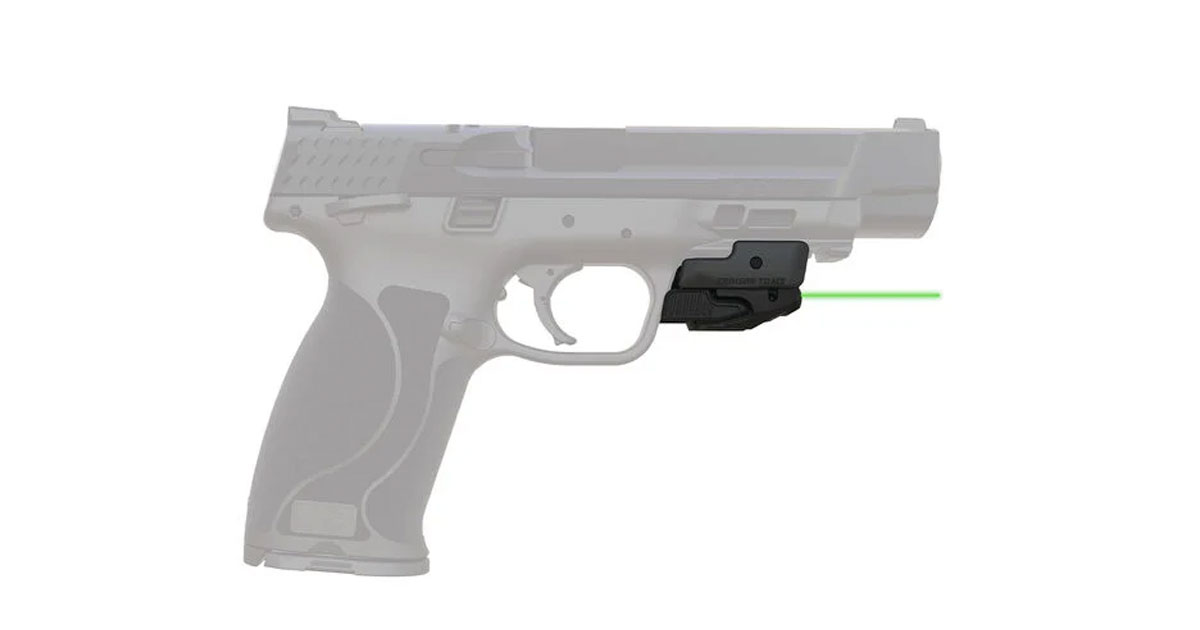


Viridian Weapon Technologies is best known for green laser technology and their ECR auto-activation system. Founded in 2007, headquartered in Minnesota. Aircraft-grade 6061 aluminum with Zytel polymer. All models: 5mW Class 3R output, ambidextrous activation. The ECR holster partner network is the key to getting the most out of the Viridian platform.


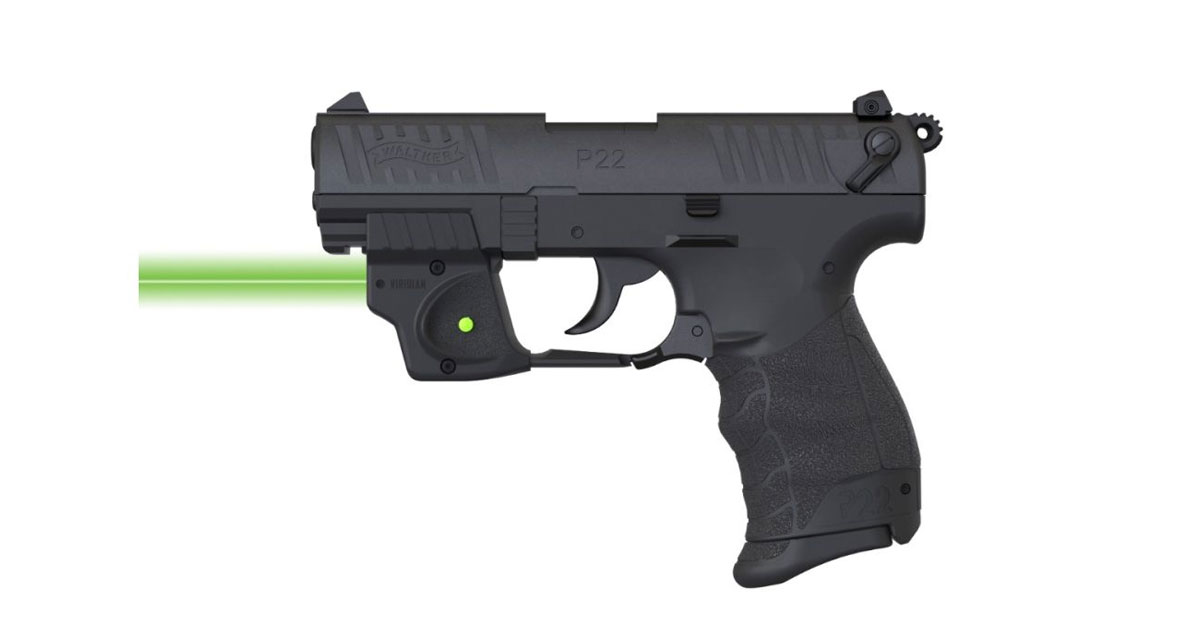

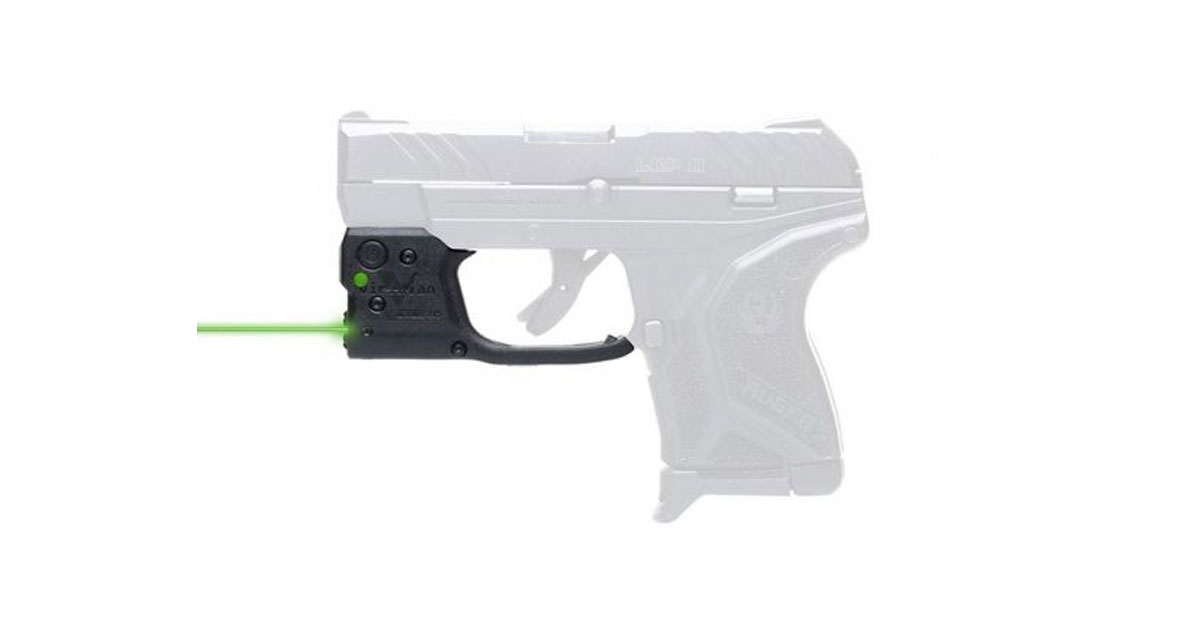


LaserMax specializes in hardened, miniaturized laser systems. Their guide rod lasers represent the most discreet pistol laser option available — completely internal with zero external profile change. Also produces the UniMax rail-mounted line and Centerfire trigger guard series.
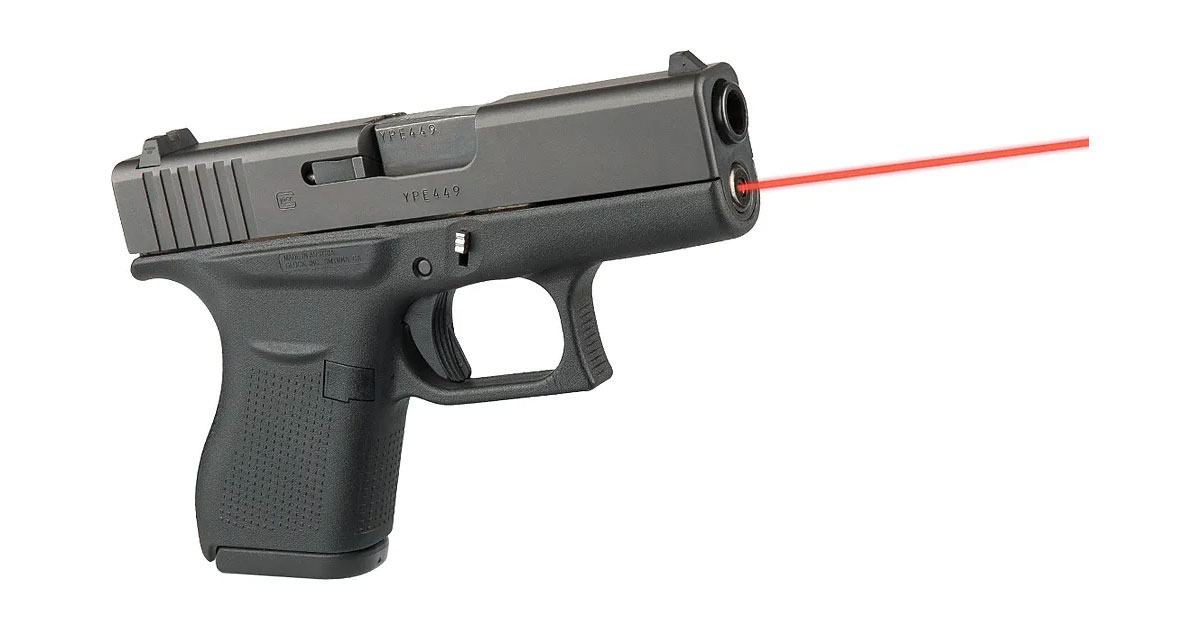

Important note on guide rod lasers: LaserMax periodically discontinues guide rod models for specific platforms. Verify current availability for your exact pistol and model year before purchasing. Some models are only available for specific generations.
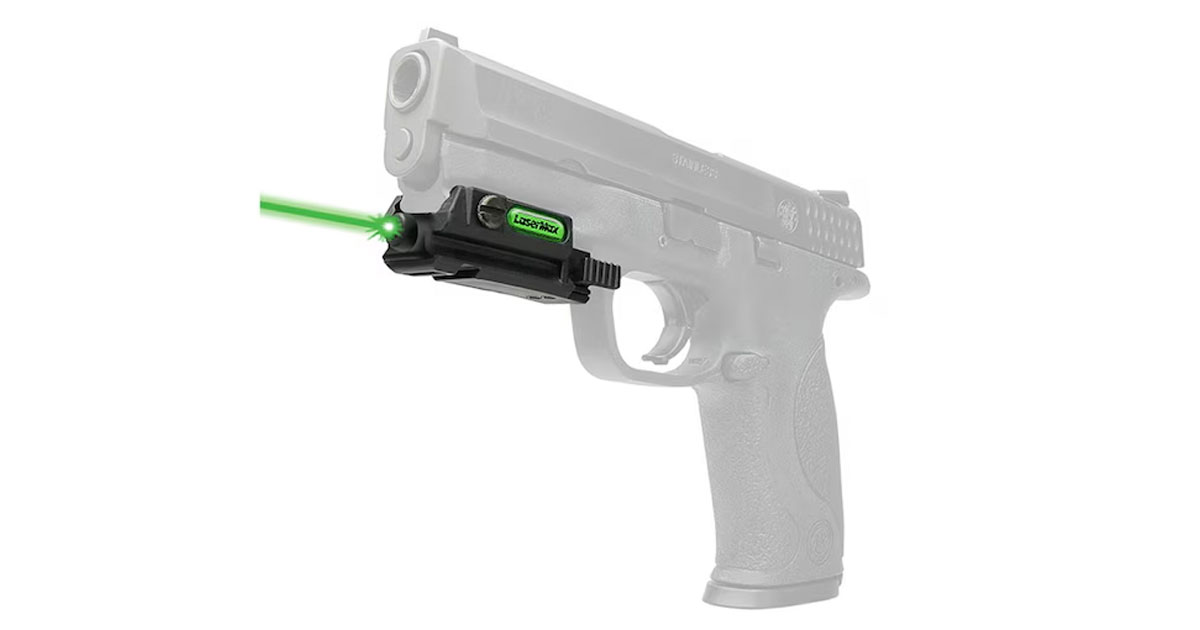
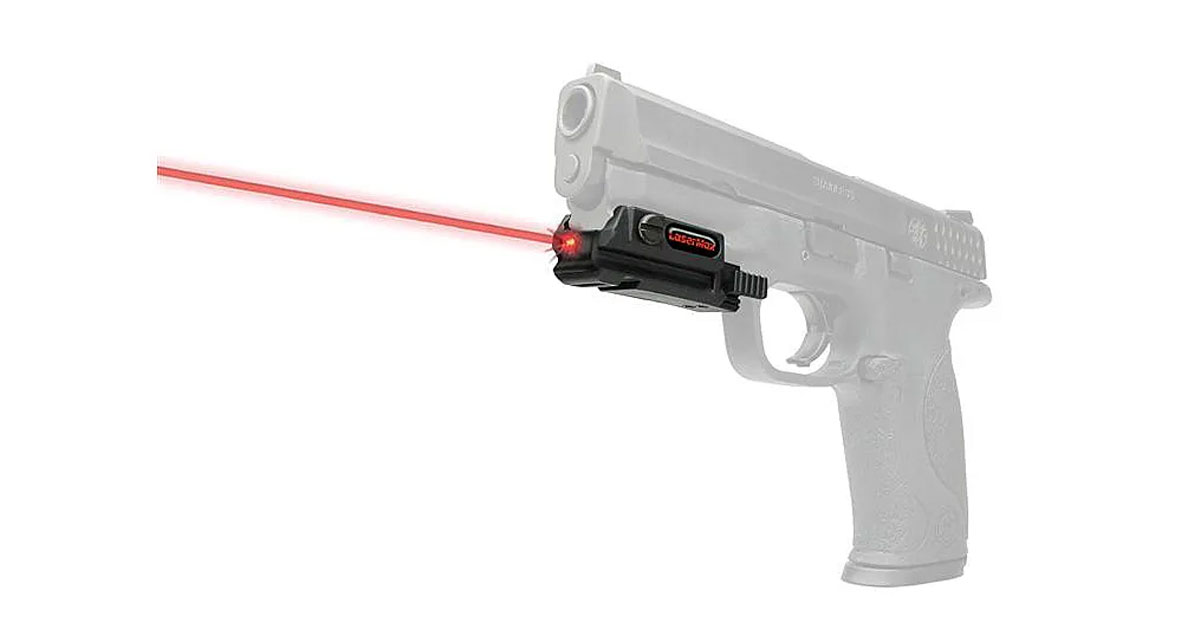

A well-regarded smaller manufacturer producing trigger guard lasers for compact and subcompact pistols. Known for good battery life, solid customer service, and straightforward installation. Less brand recognition than Crimson Trace or Viridian but strong real-world reviews among users of the specific platforms they support.


Covered in detail in our companion WML article. Brief reference for the most relevant units when a combined light and laser is the goal.

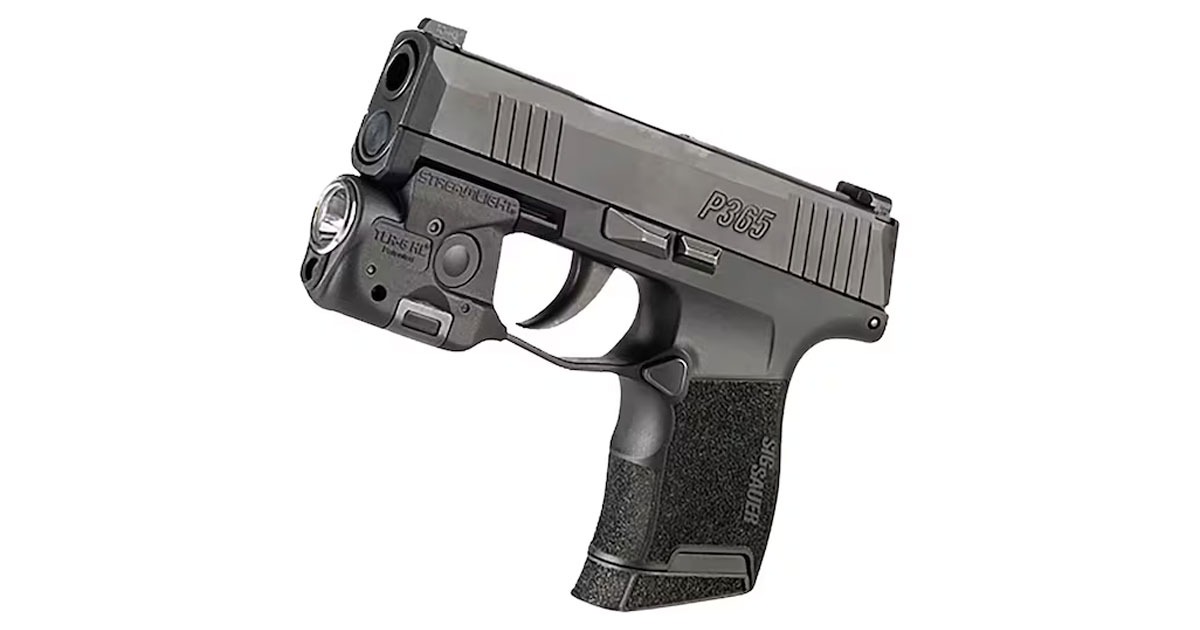



Zeroing is where most laser owners underinvest time. A laser that's not properly zeroed gives you false confidence and puts rounds in the wrong place.
Every laser is mounted some distance from the centerline of the barrel. Because the laser and the bullet start from different points, they only converge at exactly one distance — your zero distance — and diverge at all other distances. This is physics, not a defect.
At typical defensive distances (7–15 yards), the offset with a properly zeroed laser is small enough to be negligible. At 3 yards (arm's length), offset can be significant and is worth understanding.
Verify your laser zero periodically — at minimum every 3–6 months for carry guns, and any time the laser has been removed, bumped hard, or subjected to significant temperature changes. A 2-shot confirmation at your zero distance takes less than a minute and confirms the system is working the way you think it is.
Laser compatibility with holsters is even more complex than WML compatibility because there are more mounting formats, more platform-specific designs, and the laser location fundamentally changes what holster you can use.
Lasergrips (Grip Replacement): The best holster compatibility of any laser type. Because Lasergrips only change the grip panels and don't add bulk forward of the trigger guard, most factory and aftermarket holsters for that pistol still fit. The Crimson Trace LG-639 for Glock, which positions activation on the rear strap, is particularly holster-friendly.
Guide Rod Lasers: Also excellent for holster compatibility. Since nothing changes externally, all existing holsters for that pistol remain fully compatible. One of the most compelling arguments for guide rod lasers.
Laserguard / Trigger Guard Lasers: Require a dedicated holster. The laser body extends forward of the trigger guard and changes the pistol's external dimensions. Crimson Trace has a holster partner program; Viridian's ECR system requires ECR-enabled holsters; ArmaLaser has a smaller but growing partner network.
Rail-Mounted Lasers: Require a holster designed for a light- or laser-equipped pistol. The same ecosystem that covers WMLs applies here.
Before purchasing any trigger guard or rail-mounted laser, verify that your holster maker supports your specific pistol/laser combination. For Crimson Trace, their website includes a holster compatibility tool. For Viridian, confirm ECR holster availability if you want auto-activation. If you're using a duty or retention holster (Safariland, Blackhawk), call them directly — some ALS/SLS holsters have been modified to accommodate lasers.
A visible laser is a two-way street. It tells you where the gun is pointed. It also tells anyone who can see the beam where you are. In a home defense scenario, using a visible laser for target identification means briefly illuminating your presence. For most defensive scenarios at typical distances, this is not practically significant — but it's worth understanding.
A visible red or green dot landing on a threat is a powerful compliance cue. Many instructors and law enforcement users report that a visible laser dot frequently de-escalates situations before force is required. This is a real but hard-to-quantify benefit that doesn't appear in accuracy statistics.
At the federal level, carrying a laser-equipped firearm is legal nationwide. A small number of jurisdictions have specific rules about laser sight use in certain contexts. Always verify your local jurisdiction's rules, especially if you hold a concealed carry permit and travel between states.
A visible laser on a defensive firearm has occasionally been raised in court as alleged evidence of premeditation. This argument has been largely unsuccessful — courts have generally treated laser sights as standard defensive accessories — but it is worth discussing with a local use-of-force attorney if this is a concern.
Does your pistol have an accessory rail? Does it have replaceable grip panels? Is it a revolver? These questions narrow your options significantly before you look at any specific product. Use the compatibility reference in Section 12.
For defensive carry, instinctive activation (Crimson Trace pressure pad, Viridian ECR) is strongly preferred. If you're adding a laser primarily for range work or training rather than carry, manual activation is perfectly fine and opens up more product options.
Red if you're primarily using indoors or at night, in cold climates, or on a tight budget. Green if you shoot outdoors, want maximum daylight visibility, or are willing to pay the premium.
If you carry daily, this is non-negotiable. Many shooters buy a laser and discover they've significantly limited their holster options. Check with your holster maker first.
Every laser — regardless of price — should be live-fire zeroed at your intended use distance before you trust it defensively. Factory pre-zeroes are approximate starting points, not deployment-ready configurations.
A laser you don't train with is a laser you won't use effectively under stress. Integrate the laser into your dry-fire and live-fire practice. Practice finding the dot. Practice activating it during your draw stroke. Practice at various distances so you understand your laser's offset at different ranges.
A laser is a supplement to iron sights, not a replacement. Always maintain proficiency with your iron sights as a backup — lasers can fail, batteries can die, and a laser is useless if the dot is invisible in bright ambient light. Train both ways.
Red lasers in bright daylight become difficult to see beyond 15–20 yards for most shooters. Green lasers can typically be seen to 50+ yards in daylight. At night, both colors are visible well beyond any practical pistol engagement distance. This is why lasers are most useful at typical defensive distances (3–15 yards).
For rail-mounted and trigger guard lasers: typically no. For guide rod lasers: the guide rod laser comes out with the recoil spring assembly during field-stripping and reinstalls normally — the same as field-stripping without a guide rod laser.
Rail-mounted and trigger guard lasers add bulk forward of the trigger guard and require a new holster. Lasergrips and guide rod lasers have minimal impact. Any change to the pistol's external dimensions should be practiced repeatedly before carrying the new setup.
This is debated. Replacing a factory guide rod with an aftermarket component is objectionable to some instructors — the guide rod is a functional part of the operating system. LaserMax engineers their guide rod lasers to factory reliability standards and they have a reasonable track record. Many serious users take the position that only factory-spec internal components go in a carry gun. This is a decision worth considering carefully for a primary defensive pistol.
Yes. A slide-mounted red dot and a laser address different use cases and complement each other. The red dot gives a precision aiming reference at all distances. The laser allows aiming from non-standard positions where you can't get behind the red dot. This is an increasingly common setup for duty and serious defensive carry.
For instinctive activation lasers like Crimson Trace Lasergrips and Laserguards, the laser only activates when you grip the gun — not while it's in the holster. Battery life is measured in hundreds of hours, and Crimson Trace's Free Batteries for Life program provides replacements. Be deliberate about where the dot is pointing when you handle the pistol outside the holster.
For trigger guard and rail-mounted lasers: almost always yes. For Lasergrips and guide rod lasers: usually no — though always verify. See Section 14 for the full breakdown by laser type.
Last updated: May 2026. The laser sight market evolves continuously; verify specific compatibility with the manufacturer before purchase. Prices are approximate MSRP and may vary by retailer.

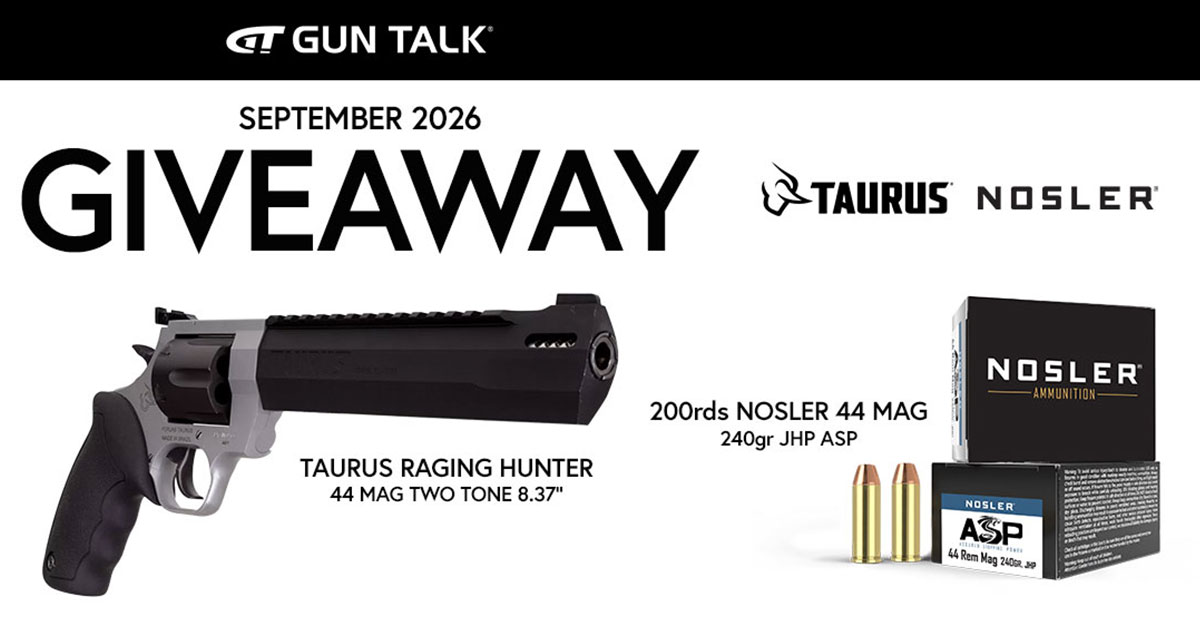
Gun Talk Giveaway
One lucky winner will bring home:
Open to U.S. residents 21+ only. Void where prohibited.