July 14, 2022
When the topic of durable, high-quality, pistol red dot sights* comes up, that conversation always includes the Leupold DeltaPoint Pro, and for good reason. For one, it's a U.S.-made Leupold product, which always has, and always will mean something. Another is that the DeltaPoint Pro (DPP) has actually been around - in one iteration or another - and evolving for many years.
After a lifetime of iron sight adherence, I have spent the better part of the last two years trying to become familiar, and somewhat proficient, with red dot sights. I've never been afraid of technology with firearms, but for many years I'd had a reluctance to embrace slide-mounted optics. Concerns over battery life, mounting options, durability, the learning curve, holster options, slide cuts...the list goes on.
Like you probably are, I'm over those concerns. I am a believer.
It wasn't long ago where there were only a few reputable choices for a reliable RDS systems for pistols, and the Leupold DeltaPoint Pro was near or at the top of the list. Now there are several choices from many top brands, and the DeltaPoint Pro is still near or at the top of the list.
All of that said, this was the first extended experience I've had with the DeltaPoint Pro specifically. My host pistol is a Smith & Wesson Performance Center M&P M2.0 C.O.R.E. Pro Series 5" Barrel 9mm. The pistol is "optics-ready" with suppressor-height sights and includes multiple mounting plates.
Out of the box, it is apparent that the DeltaPoint Pro is a premium product. Leupold includes a CR2032 battery, installation wrench, screws, rubberized optic cover and a set of very detailed, yet clear instructions. For my host pistol, it was simply a matter of locating the correct mounting plate, and I was ready to install the product. Factory-milled slides are a gamechanger for sure, but the DPP can be mounted in a variety of different ways depending on your application.
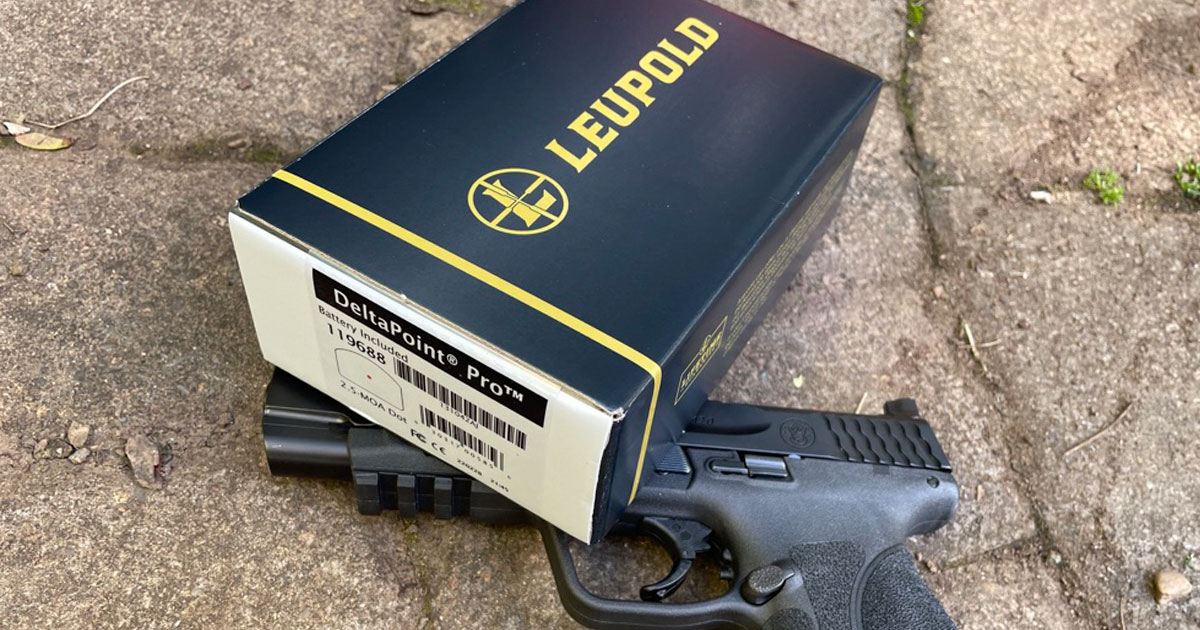
It is important to note that the DPP has a unique footprint, that differs from some of the other common patterns - notably with front "cleats."
Battery installation/replacement is very easy, from the top with a short lever, and once installed, can be done without removing the optic. This is a nice feature.
Once installed on the C.O.R.E., three things about the DeltaPoint Pro were immediately apparent:
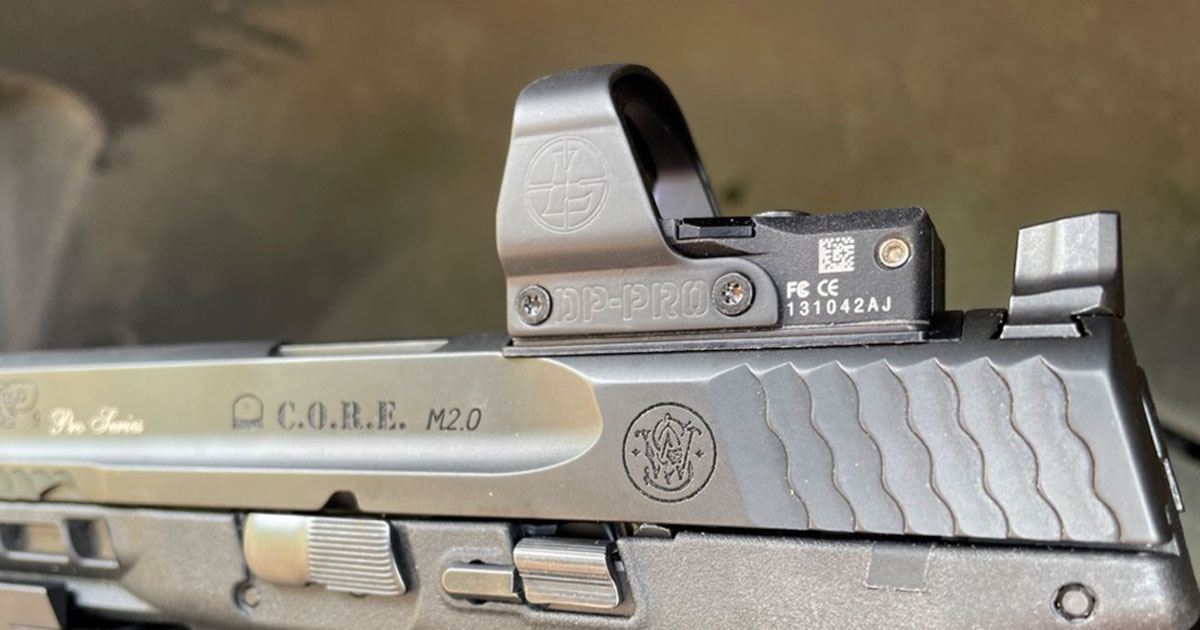
As I've become more and more used to red dot sights with a smaller perceived window, the DeltaPoint Pro felt like I was looking through a literal window. As my eyes age, and focus becomes more and more of a challenge, this is a massive benefit. Especially since the DPP itself does not feel large or cumbersome at all.
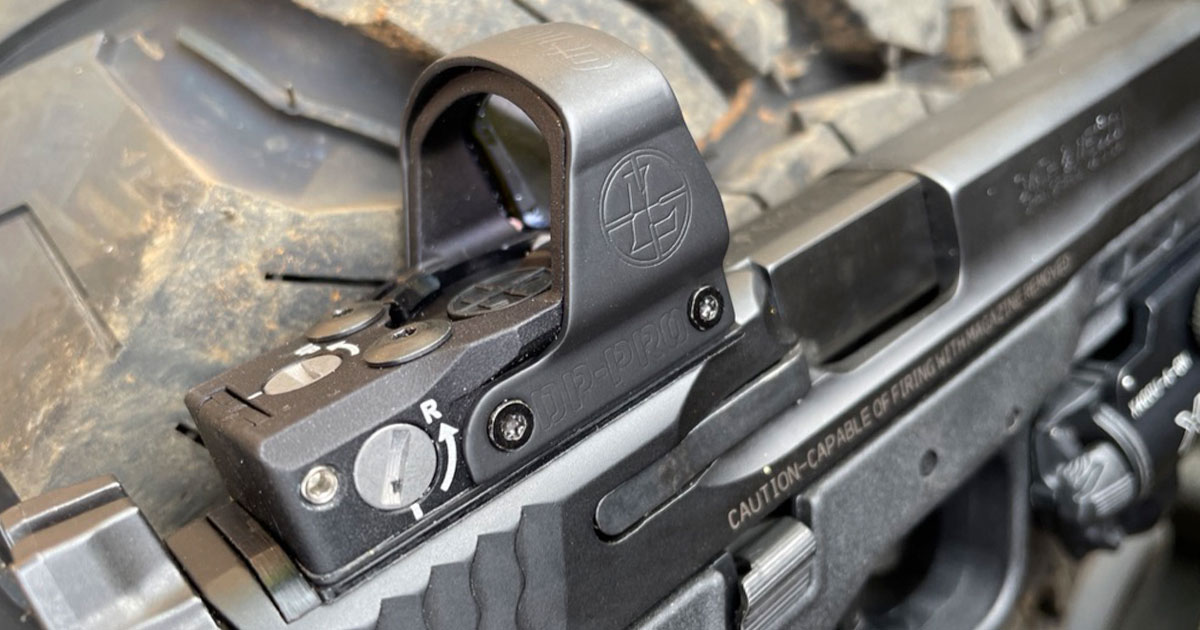
Brightness settings on the DeltaPoint Pro take a little getting used to, and are done from the top-side, which is different that what I'm used to. I am definitely a "set it and forget it" type, so this did not prove to be a detriment to me. If you adjust your brightness settings frequently, keep this in mind. The 2.5 MOA dot feels "just right" for this application and the Leupold glass is very clear, albeit with a slight tint that seems well-suited for multiple lighting conditions.
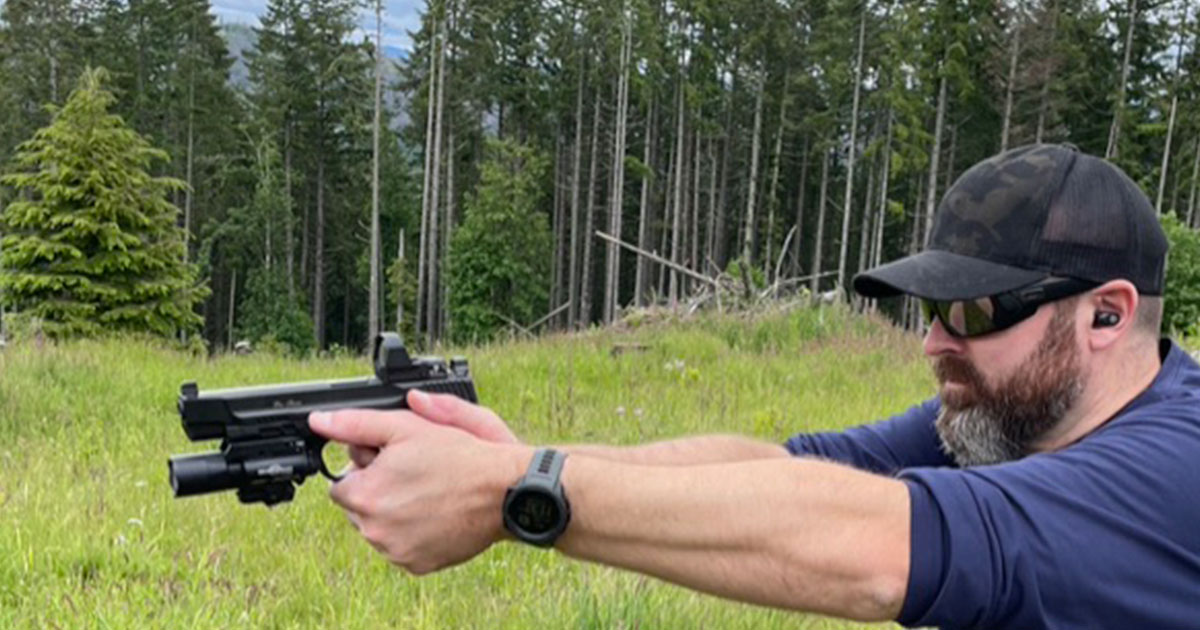
Mentioned above, I cannot co-witness with the pistol sights for this RDS, but I could eyeball enough with dry fire and presentations to determine that I needed exactly zero adjustments before putting rounds on paper.
With that, at 15 yards, I sent the initial 10 rounds downrange. As I suspected, minimal adjustments were needed.

A few clicks was all that was needed to dial in perfectly, and several hundred dollars...I mean rounds...later, the DPP did not lose zero whatsoever.
The Leupold DeltaPoint Pro offered very few surprises. That is a positive outcome. I was expecting it to work well, be ruggedly built, and be simplistic and purposeful in use. It met all of these expectations. In fact, I liked the wide field of view and "just-right-bright" with the dot so much, that I'm sort of disappointed in myself for not already having one.
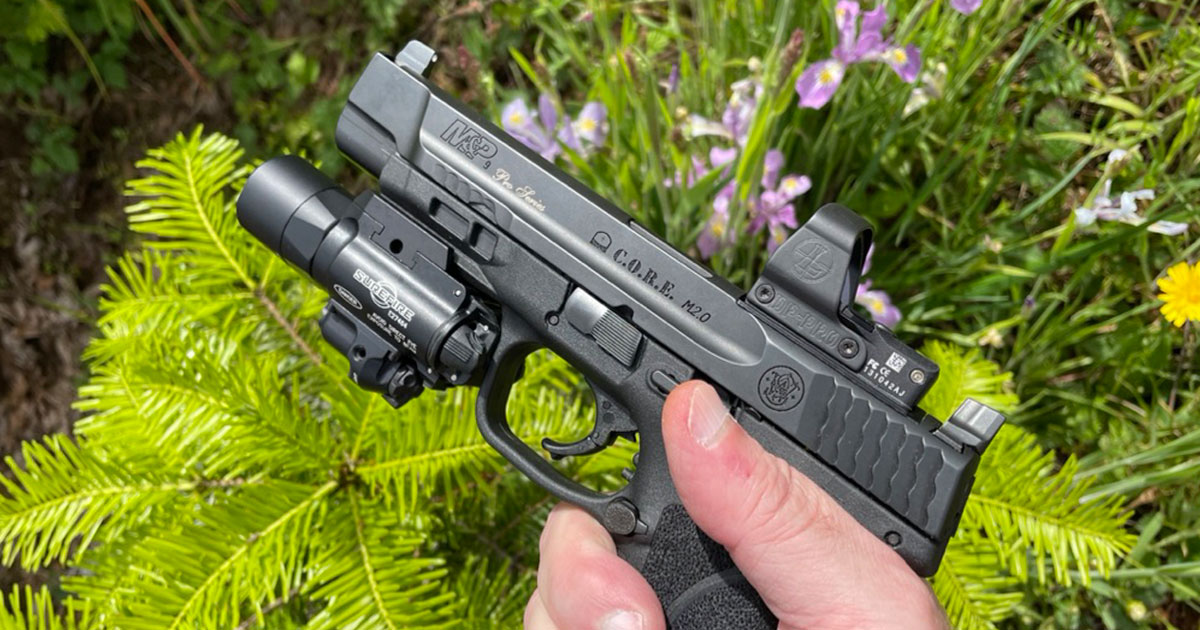
One topic not yet discussed, but is of high importance to red dot shooters is battery life. Most red dot oracles on the internet point to around the 6 month mark on the DPP, and I'm inclined to believe them. I've not had the unit long enough to comment on battery life first hand. However, the CR2032 on the DeltaPoint Pro is so easy to replace, without removal, it is a non-issue in my opinion.
Of note, however, is Leupold's Motion Sensor Technology (MST). This feature "deactivates the illumination after 5 minutes of inactivity, and as soon as movement is detected, the illumination instantly reactivates." I can confirm...(takes 5 minute break) that this does indeed work. I can also confirm that I will never "outrace" the dot and get the gun up before its already been on, waiting for me to engage. Mocking my speed.
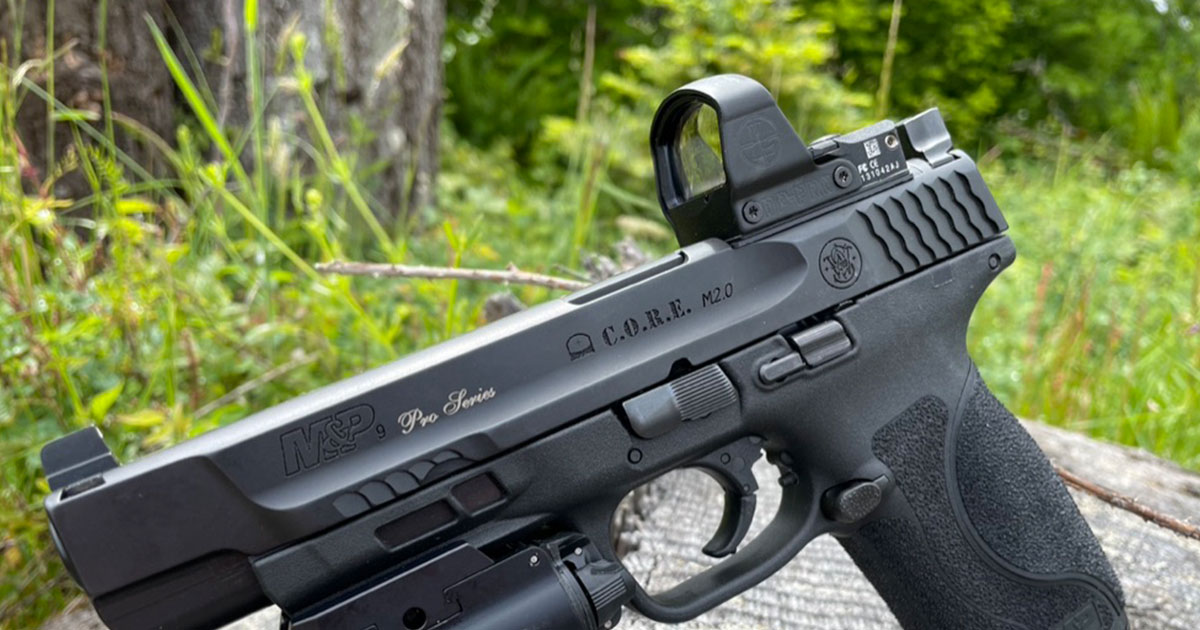
Leupold offers the DeltaPoint Pro in 2.5 MOA and 6 MOA variants, as well as FDE and NV models, along with multiple accessories and/or mounting options.
Unless you are really lucky, you won't find a "deal" on a Leupold DeltaPoint Pro, and there is a good reason for that. It is a very high-quality, high-demand, Made-in-the-USA product. Pick your favorite online or local dealer and buy from them. Leupold's MSRP for the DPP is $449.99. ~ Gary
*Although DeltaPoint Pro applications are not limited to pistol-only, this article is focused on pistol use.
Dot size: 2.5 MOA, 3 MOA, or 6 MOA (depending on model)
Window size: 25.7mm x 17.5mm
Lens coating: DiamondCoat 2
Illumination settings: 8 brightness levels (10 on NV-compatible model, including 2 night vision settings)
Battery: CR2032 (top-loading — no need to remove the optic for battery changes)
Battery life: Approximately 1,600 hours at mid-brightness (varies by setting and MST usage)
Motion Sensor Technology (MST): Auto-off after 5 minutes of inactivity, instant-on when movement is detected
Construction: 7075-T6 aluminum housing
Waterproof: Submersible to 33 feet
Fog proof: Nitrogen purged
Weight: 1.95 oz. (without mount)
Adjustment range: 60 MOA elevation, 60 MOA windage
Click value: 1 MOA per click
Made in: USA (Beaverton, Oregon)
MSRP: Approximately $449–499 (street price typically $380–430)
Footprint: Leupold DeltaPoint Pro (unique footprint with front cleats — not RMR or Shield RMS pattern)
The standout spec is that window size. At 25.7mm x 17.5mm, the DeltaPoint Pro has one of the largest viewing windows in the pistol red dot category. That translates to faster dot acquisition and better peripheral awareness — something we noted immediately when mounting it.
The pistol red dot market has gotten crowded. Here's how the DPP stacks up against the optics it's most often compared to.
Leupold DeltaPoint Pro vs. Trijicon RMR Type 2: This is the comparison that's been running for years. The RMR is the durability king — it's been the military and law enforcement standard and is virtually indestructible. The DPP counters with a larger window, top-loading battery (the RMR requires removal for battery changes), and the MST auto-on/off feature. The RMR also has significantly longer battery life. If absolute ruggedness is the priority and you're going to war with it, the RMR wins. If you want a wider sight picture, easier battery changes, and a slightly lower price, the DPP is the better daily choice. Both are proven, duty-rated optics.
Leupold DeltaPoint Pro vs. Holosun 507C: The Holosun has shaken up the market with its multi-reticle system (dot, circle, or circle-dot), solar backup panel, shake-awake technology, and a street price around $250–300. For the money, the 507C is extremely hard to beat. The DPP offers better glass clarity (that Leupold DiamondCoat is legit), a larger window, and the U.S.-made pedigree. If budget matters, the Holosun is the value king. If you want premium American glass and are willing to pay for it, the DPP justifies the premium.
Leupold DeltaPoint Pro vs. Aimpoint ACRO P-2: The ACRO P-2 is an enclosed emitter design, meaning the lens is fully sealed rather than open-top like the DPP. This makes it more resistant to debris, water, and mud fouling the lens. The ACRO is heavier and more expensive, but it's probably the most rugged pistol optic available. If you carry in harsh environments or want the ultimate in reliability, the ACRO is worth the premium. The DPP is lighter, has a wider field of view, and costs less.
Leupold DeltaPoint Pro vs. Leupold DeltaPoint Micro: Same brand, very different products. The DeltaPoint Micro is designed to mount in the rear sight dovetail without slide milling — it's tiny and purpose-built for concealed carry on Glock and S&W M&P pistols. The DPP is a full-size pistol optic that requires a milled slide or MOS/optic-ready plate. For a dedicated concealed carry gun you don't want to modify, look at the Micro. For everything else, the DPP is the more capable optic. We reviewed both — read our DeltaPoint Micro review here.
Competition shooters: The DPP is a common sight in USPSA Carry Optics division for good reason. The wide window makes transitions fast, the dot is sharp, and it holds zero under sustained strings of fire. If you're shooting matches, the DPP belongs on your short list.
Concealed carry / EDC: The DPP works well on everyday carry pistols with optic-ready slides. The MST feature is a real advantage for carry — the optic sleeps when it's in the holster and instantly wakes when you draw. The 2.5 MOA dot provides a good balance between precision and speed for defensive distances. Battery life is the one concern for carry use — check your battery at regular intervals or swap it on a set schedule.
Duty / law enforcement: The U.S. Marshals Service selected the DeltaPoint Pro for duty use. It's proven in professional environments. The top-loading battery is a significant advantage for duty guns — you can swap a battery without removing the optic and losing your zero.
Home defense: Mounted on a nightstand pistol, the DPP is excellent. The MST means it's always ready when you grab the gun. Pair it with a weapon light and a quality hollow point, and you have a very capable defensive setup.
Is the Leupold DeltaPoint Pro still worth buying?Yes. Despite being an older design in a market flooded with newer options, the DPP remains one of the best pistol red dots available. The glass quality is excellent, the window is among the largest in the category, the MST feature is genuinely useful, and the top-loading battery is a feature competitors still don't all match. The fact that the U.S. Marshals chose it for duty use speaks to its real-world reliability.
How long does the DeltaPoint Pro battery last?Battery life is the DPP's weakest spec compared to competitors. Most users report 6–12 months of use before needing a battery swap, depending on brightness setting and how often MST activates. The good news is that swapping the CR2032 battery takes seconds from the top of the optic without removing it from the slide or losing zero. Set a reminder to swap it on a schedule and it's a non-issue.
What guns does the DeltaPoint Pro fit?The DPP has its own unique footprint (not RMR or Shield RMS pattern). Many modern optics-ready pistols include a DPP mounting plate — check your specific model. GLOCK MOS, Smith & Wesson M&P CORE/Performance Center, SIG P320 RXP, CZ P-10, FN 509, Canik TP9, and many others support the DPP footprint either natively or with an included plate. Leupold also offers a variety of mounting solutions including cross-slot mounts, AR-top mounts, and rear sight dovetail mounts.
DeltaPoint Pro vs. RMR — which is better for carry?Both are excellent carry optics. The RMR has the edge in durability and battery life. The DPP has the edge in window size, ease of battery replacement, and the MST auto-on/off feature. For pure concealed carry, the DPP's MST is a genuinely useful feature — the optic is always on and ready when you draw without burning battery 24/7. For hard-duty use where the optic might take impacts, the RMR is tougher. Neither is a wrong choice.
Does the DeltaPoint Pro co-witness with iron sights?It depends on your mounting height and your specific iron sights. The DPP does not co-witness with standard-height iron sights on most pistols. You'll typically need suppressor-height sights to achieve a lower-third co-witness with the DPP. Leupold does offer an integrated rear sight that mounts directly to the DPP base plate, giving you a backup aiming reference without needing separate suppressor-height sights.
Gary Killingsworth
Gary is the Digital Manager for Gun Talk Media and is a proud “Oregunian”. A lifelong shooter, gear hound and student of the gun, he is a staunch advocate for quality, consistent training. When not trying to perfect his trigger press, Killingsworth is an avid baseball fan, bowhunter and salmon & steelhead angler.



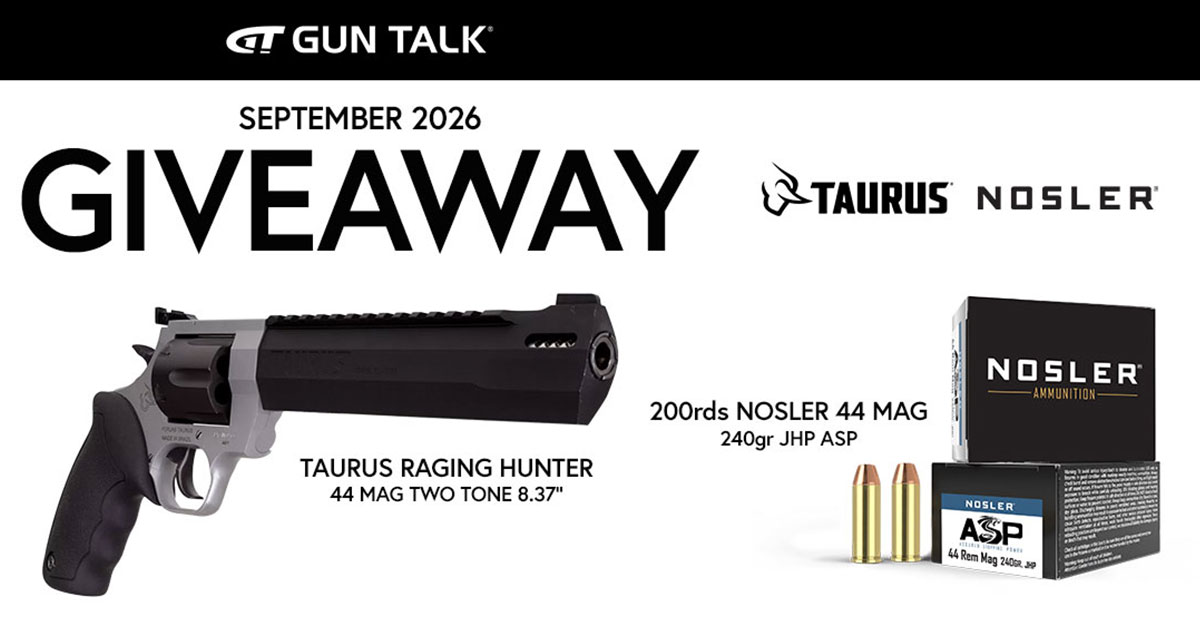
Gun Talk Giveaway
One lucky winner will bring home:
Open to U.S. residents 21+ only. Void where prohibited.