May 6, 2026
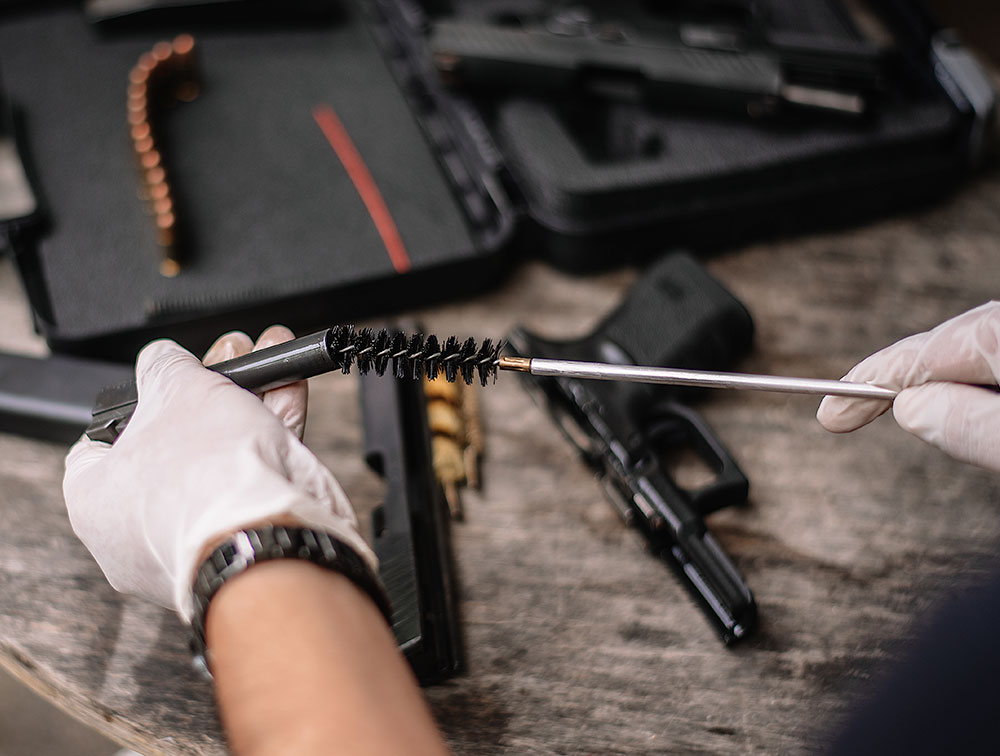
If there is one handgun that stands in for “modern pistol” on the internet, at the range and in more holsters than cargo shorts should ever allow, it is the Glock 19. It is one of the most recognizable carry pistols in America, and it makes a useful example for a larger conversation: how to clean a handgun the right way. The good news is that most of what works for a Glock 19 also works for most modern semi-automatic pistols. Field-strip it, clean out the fouling, use the right solvent, apply a small amount of lubricant in the correct spots and put it back together without turning it into an oil slick.
This is where many new gun owners get tripped up. They either clean too little, clean too aggressively or use enough oil to make the pistol look like it just lost a fight with a fryer basket. A handgun does not need to be pampered like a show dog, but it does need basic care. Carbon, lint, dirt, old oil and unburned powder all build up over time. That buildup can affect reliability, especially in a carry gun. A clean, properly lubricated pistol is not just prettier on the bench. It is more likely to run when you need it.
Cleaning a handgun is less about chasing perfection and more about keeping the gun reliable, protected from corrosion and easy to inspect. Regular maintenance helps remove fouling, old lubricant and debris while giving you a chance to spot worn parts, damaged magazines or anything else that looks suspicious.
A dirty pistol is not always a broken pistol, but neglect tends to stack problems. Range residue can cake into slide rails and breech areas. Pocket lint and sweat can do ugly things to a carry gun. If you live in a humid climate, own a pistol for everyday carry or spend regular time outdoors, maintenance matters even more. A quick wipe-down and smart lubrication plan go a long way.
This is one of the most searched handgun maintenance questions for a reason: there is no magical round count that applies to every gun and every shooter. The practical answer is this:
Clean your handgun after a range session, after exposure to rain, dust or mud, after long-term carry, and before long-term storage. If it is a carry pistol, inspect and lightly maintain it on a routine basis even if it has not been fired recently. Glock’s maintenance guidance calls for regular cleaning and lubrication and points owners back to the manual for the proper amount and placement of lubricant.
For most owners, this simple schedule works well:
After every range trip:
Especially if you shot a few hundred rounds, used dirty ammo or ran the pistol hard.
Every few weeks for a daily carry gun:
Even if you have not fired it, body sweat, lint and dust can build up. Carry guns live harder lives than range-only guns.
After any bad-weather exposure:
Rain, humidity, sweat, dust and mud all justify a cleaning session.
Before and after storage:
If the pistol is going away for a while, clean it and protect it first. Before you shoot it again, inspect it and make sure the bore is clear and free of excess oil. Glock’s manual specifically warns to run a clean patch through the barrel before firing to remove oil or lubricant.
If you are the type who fires 50 rounds and then launches into a two-hour maintenance ritual with dental tools and a headlamp, that is your business. Just know that modern pistols usually need consistent care, not interpretive dance.
A basic pistol cleaning kit does not need to be fancy, but it should cover the essentials. The most popular and widely searched options usually include a bore cleaner or solvent, a lubricant or CLP, nylon brushes, cleaning patches, a rod or pull-through system and a cloth. Cleaning-kit brands like Real Avid remain highly visible in this category, and dedicated handgun kits are common for owners who want everything in one box.
Here is the basic gear list:
Cleaning solvent or bore cleaner
Used to break up carbon, powder fouling and grime.
Gun oil, lubricant or CLP
Used to reduce friction and protect metal surfaces from rust.
Nylon utility brush
Great for slide rails, breech face and general scrubbing.
Bore brush and cleaning patches
Use the correct caliber-specific size.
Cleaning rod or bore snake-style pull-through
Either works. Use what you prefer.
Microfiber cloth or soft rag
For wiping down parts and removing excess oil.
Bench mat
A nice addition if you do not want your kitchen table to look like a small-arms autopsy. Glock even sells a bench mat as a cleaning accessory.
This is another major search question, and the best answer is refreshingly simple: use a solvent or cleaner designed for firearms, and avoid getting reckless with harsh chemicals not intended for guns.
Among the most recognized and commonly searched handgun-cleaning products are Hoppe’s No. 9, Breakthrough Clean, Birchwood Casey Gun Scrubber, Ballistol and Lucas Oil gun-cleaning products. Breakthrough positions its cleaners as odorless, user-safe and stain-free, while Birchwood Casey’s Gun Scrubber is marketed as a fast-evaporating firearm cleaner. Ballistol remains popular as a do-it-all product, and Lucas offers both dedicated gun cleaner and CLP formulas.
Hoppe’s No. 9
One of the classic names in gun cleaning. It has been a longtime go-to for bore cleaning and general fouling removal. It is old-school, recognizable and still widely searched.
Breakthrough Clean solvent or CLP
Popular with shooters who want an odorless, lower-irritation option. Breakthrough heavily markets the safety and user-friendliness angle.
Ballistol
A broad-use cleaner-lubricant-protectant that remains popular because it can do a little bit of everything.
Birchwood Casey Gun Scrubber
An aerosol cleaner that is useful for blasting fouling out of problem areas on metal parts. Use with care and good ventilation.
Lucas Oil gun cleaner or CLP
A mainstream option with strong brand recognition among shooters searching for spray-on cleaning products.
For most handgun owners, the best approach is either a two-product system — cleaner plus oil — or a quality CLP if you want a simpler routine.
Use a quality firearm lubricant or gun oil, not random motor oil, not mystery garage fluid and definitely not enough of it to qualify as soup.
Among the best-known and most-searched gun oils and lubricants are Break Free CLP, Lucas Extreme Duty Gun Oil, Slip 2000 EWL, Ballistol and Hoppe’s products. Slip 2000 markets its EWL as a high-round-count lubricant that should be applied as a thin coat. Lucas promotes its oil for high-heat, high-friction firearms. Ballistol remains a popular all-in-one option, while CLP products continue to attract buyers who want one bottle to do everything.
Break Free CLP
Still a big-name one-bottle solution for cleaning, lubrication and protection.
Slip 2000 EWL
A favorite among shooters who want a dedicated lubricant for high-round-count pistols. Slip 2000 says apply a thin coat, which is the right idea for handguns.
Lucas Extreme Duty Gun Oil
A mainstream option aimed at guns that see heat, friction and heavy use.
Ballistol
Works as a cleaner and protectant as well, which is why it stays in the conversation.
Hoppe’s lubricant products
Often paired with Hoppe’s cleaners by shooters who like established brands.
This is the part people tend to overdo. A handgun usually needs a very small amount of lubricant on the key friction points, not a full spa treatment. If you can visibly see oil pooling, dripping or migrating everywhere, you probably used too much.
For most semi-automatic pistols, think in drops, not puddles.
A practical rule of thumb:
Slide rails: a light film
Barrel exterior: a light wipe
Barrel hood and locking surfaces: a tiny amount
Contact points where metal rubs on metal: a drop or less spread thinly
Outside metal surfaces for storage: a light protective wipe, then wipe off excess
The goal is lubrication, not collection. Extra oil attracts carbon, lint and grit. On a carry gun, too much oil can turn everyday pocket debris into a filthy paste that looks like it was assembled from chimney sweep leftovers.
Using the Glock 19 as the example, here is the simple process that works for most modern pistols.
Remove the magazine. Lock the slide open. Visually and physically inspect the chamber and magazine well. Check again. Then check once more because no cleaning article has ever been improved by an accidental discharge.
For a Glock 19, that means separating the slide, barrel, recoil spring assembly and frame. You do not need to disassemble the gun into tiny internal parts for routine cleaning.
In plain English:
Pay attention to:
Most polymer-framed pistols do not need to be drowned in solvent. Clean the rails, remove debris and wipe away grime.
Apply a very light amount of oil to the recommended wear and friction points. On a Glock-pattern pistol, that usually means the slide rails, the outside of the barrel, the barrel hood and select contact points. The exact locations vary by platform, which is why the owner’s manual still matters. But the big principle is universal: small amount, spread thin, wipe off excess.
Put the pistol back together and perform a basic function check according to the manufacturer’s instructions. Make sure the slide cycles correctly and the pistol appears to operate normally.
This is a classic gun-counter argument, usually held by two men who both believe they are the last sane person alive. The honest answer is that both approaches work.
Use a CLP if:
You want simplicity, speed and a one-bottle solution.
Use separate cleaner and oil if:
You want more control and a little more specialization.
Products like Breakthrough CLP and Lucas Extreme Duty CLP exist because plenty of gun owners want one bottle that cleans, lubricates and protects. Dedicated solvents and dedicated lubricants exist because other shooters prefer a more tailored routine. Neither approach is wrong if the gun ends up clean, protected and properly lubricated.
A good cleaning routine is just as much about avoiding dumb mistakes as it is about using the right products.
Using too much oil
Still the champion of avoidable maintenance problems.
Leaving oil in the bore before shooting
Run a clean patch through the barrel before firing until no oil or lubricant remains.
Using the wrong tools
Use caliber-correct brushes and patches. Oversized tools can damage things or at least make you say words not fit for print.
Going too deep on routine cleaning
For normal maintenance, field-stripping is enough. You usually do not need to detail-strip your carry gun every weekend just because you watched one video and now feel spiritually connected to punch tools.
Ignoring the carry gun
A pistol that rides every day collects lint, dust and sweat even if it never fires a round.
These brands cover most of the popular search paths: traditional solvent, all-in-one CLP, dedicated lubricant, spray cleaner and complete cleaning-kit solutions.
Cleaning a handgun does not need to be complicated. The Glock 19 is a perfect example because it represents the broader truth about most modern pistols: keep the gun reasonably clean, use a proper firearm solvent, lubricate the friction points lightly and do not overthink it. Clean after shooting, inspect carry guns regularly, wipe down guns exposed to bad weather and keep excess oil out of the bore before you head back to the range. Glock’s own guidance supports that practical, light-touch approach, and it translates well to most semi-automatic handguns on the market today.
A clean handgun is a reliable handgun. Also, it is much easier to trust a pistol that does not look like it has been living in a truck cupholder since the previous administration. ~ Gun Talk Staff
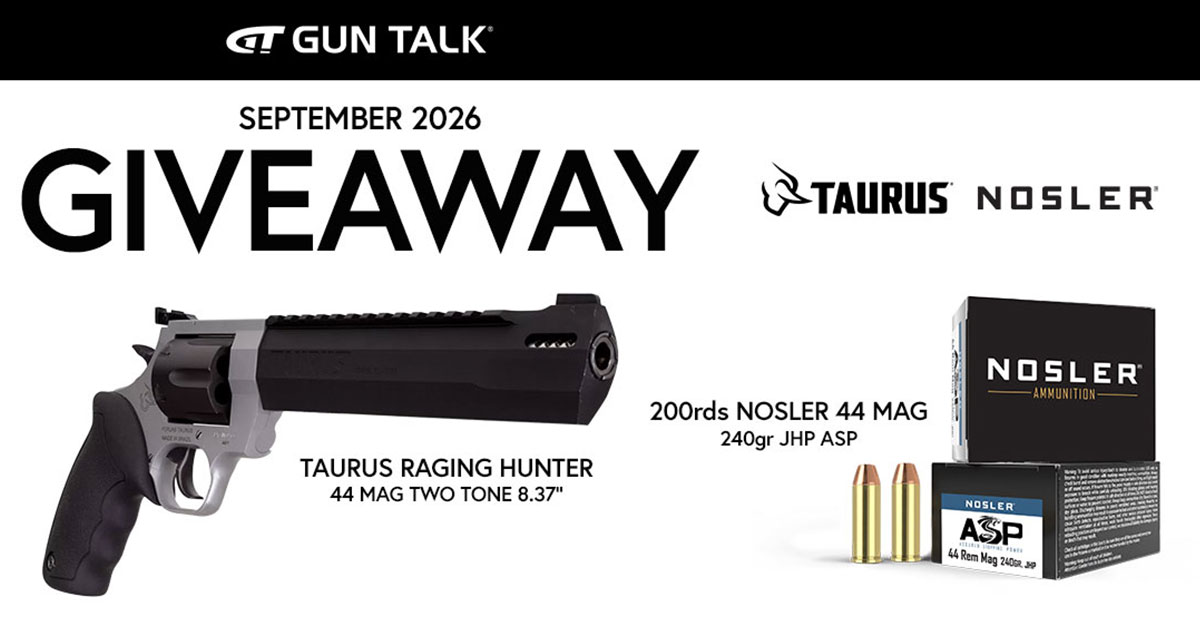
Gun Talk Giveaway
One lucky winner will bring home:
Open to U.S. residents 21+ only. Void where prohibited.